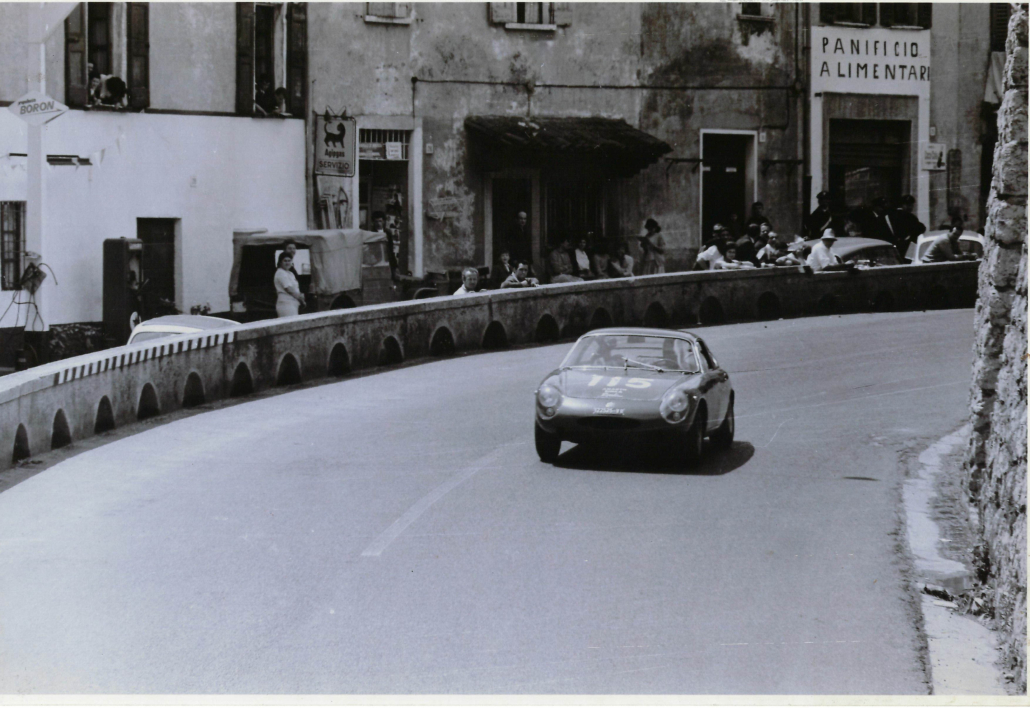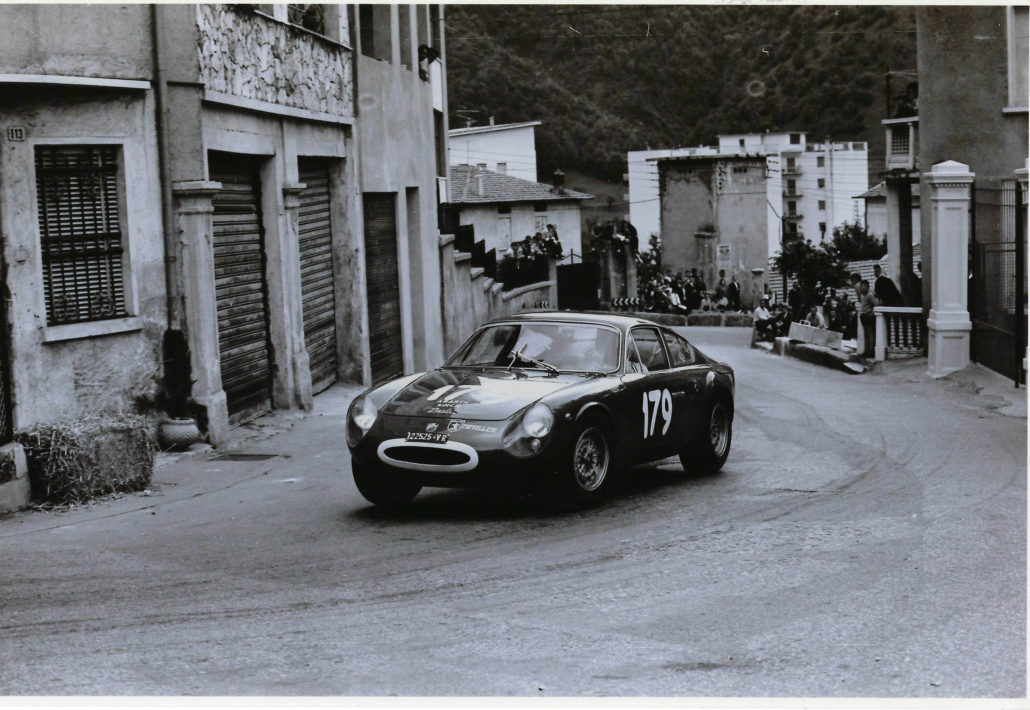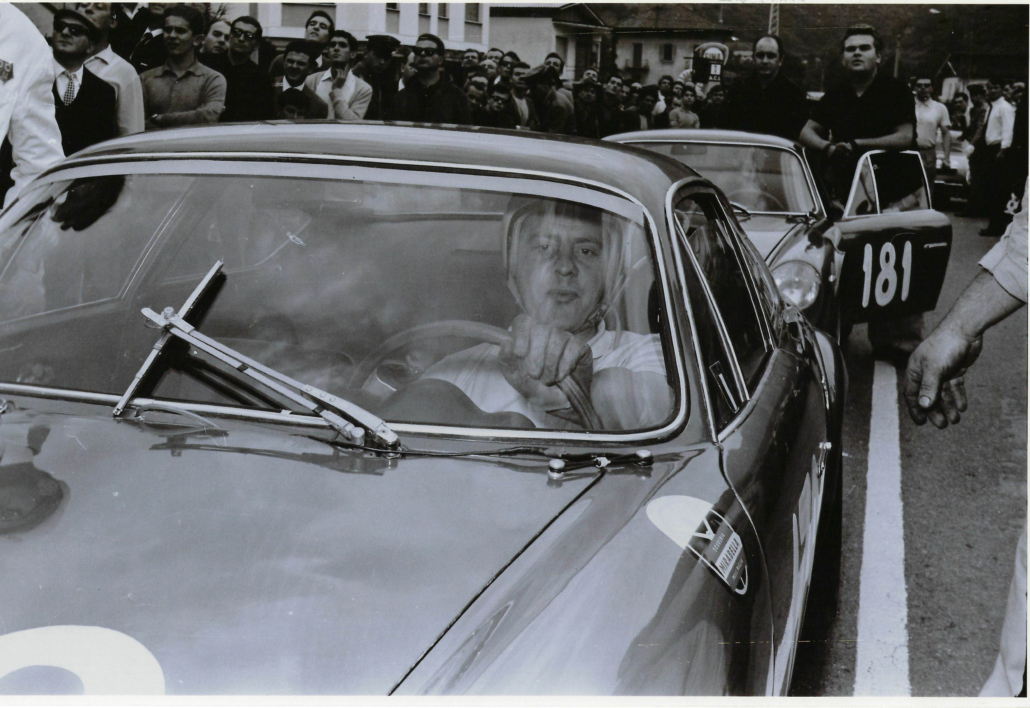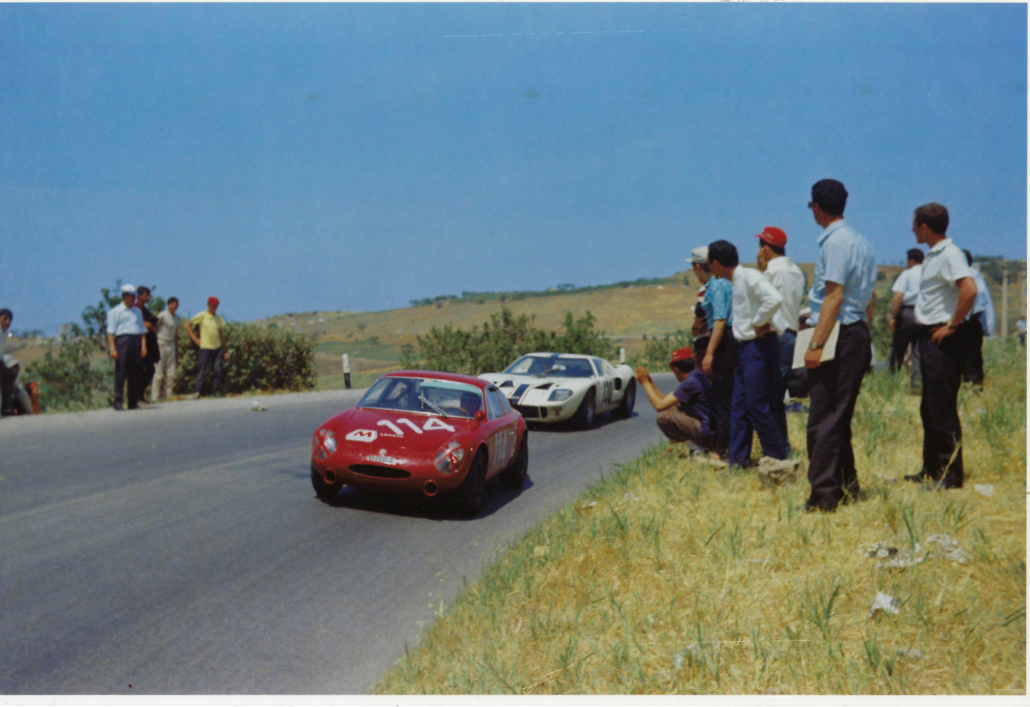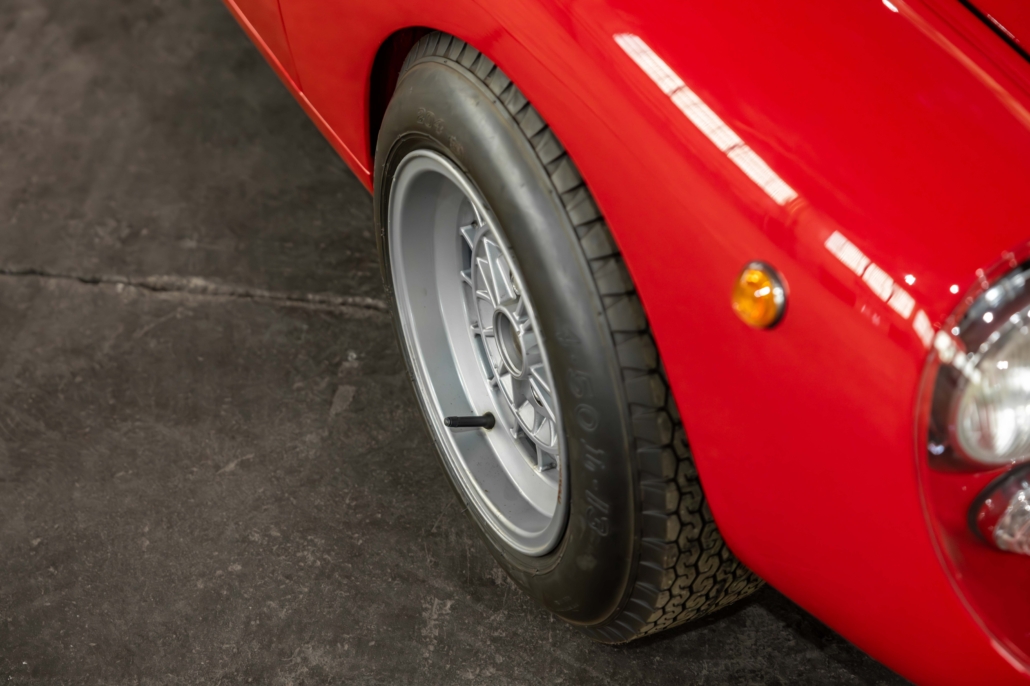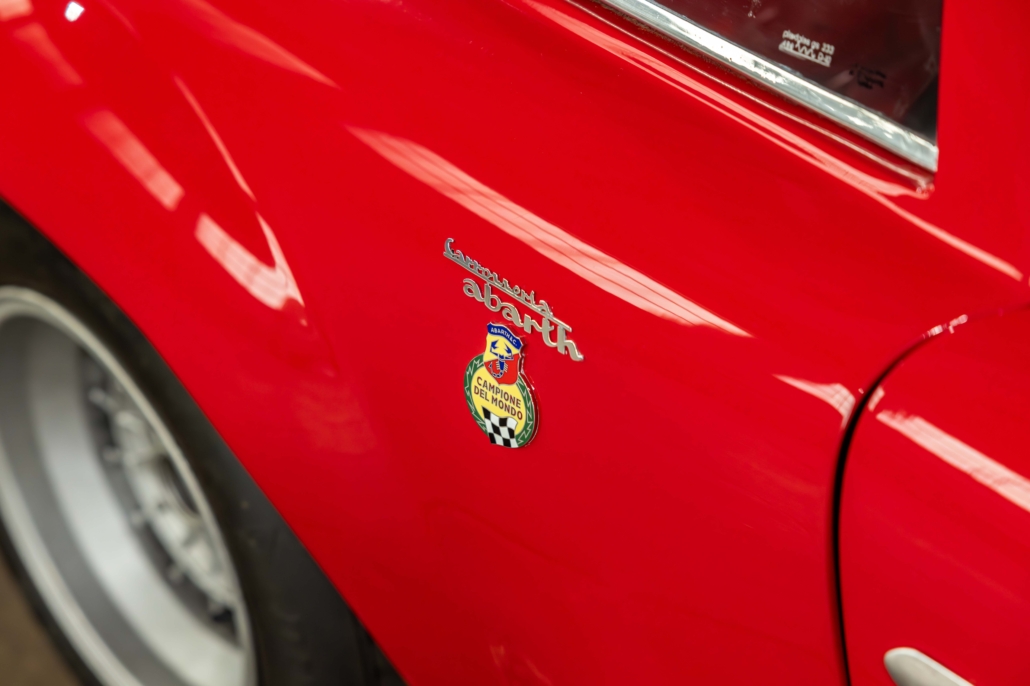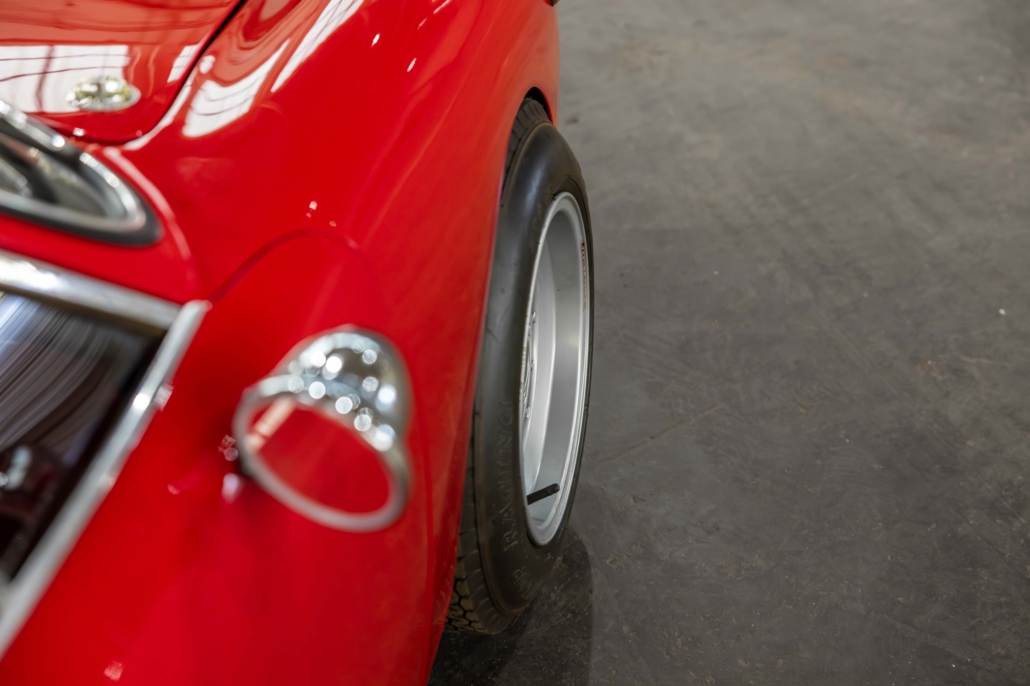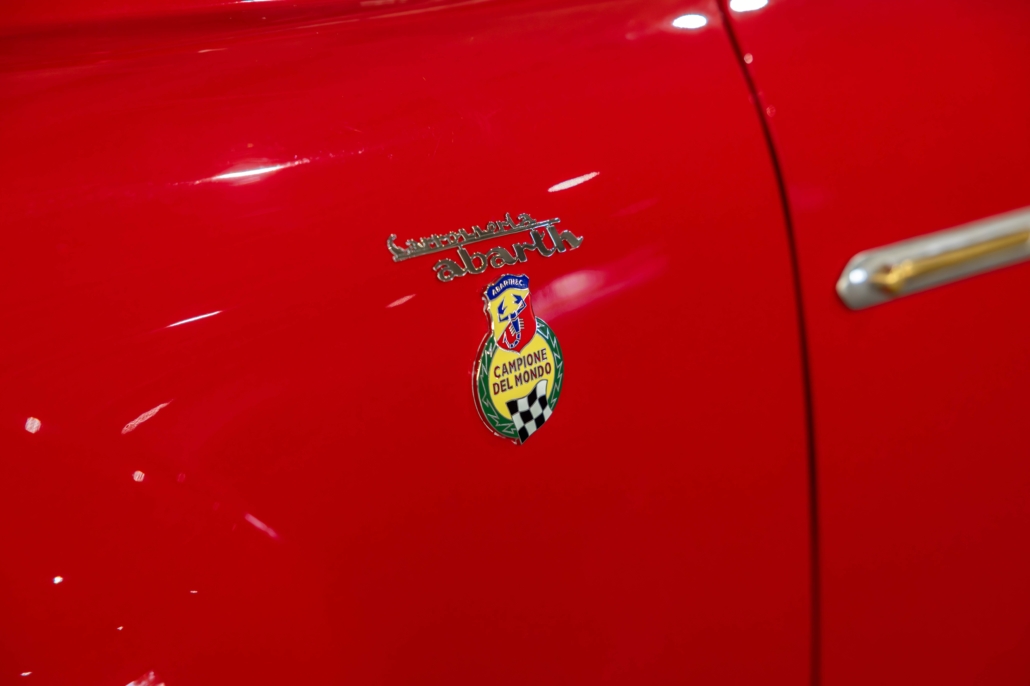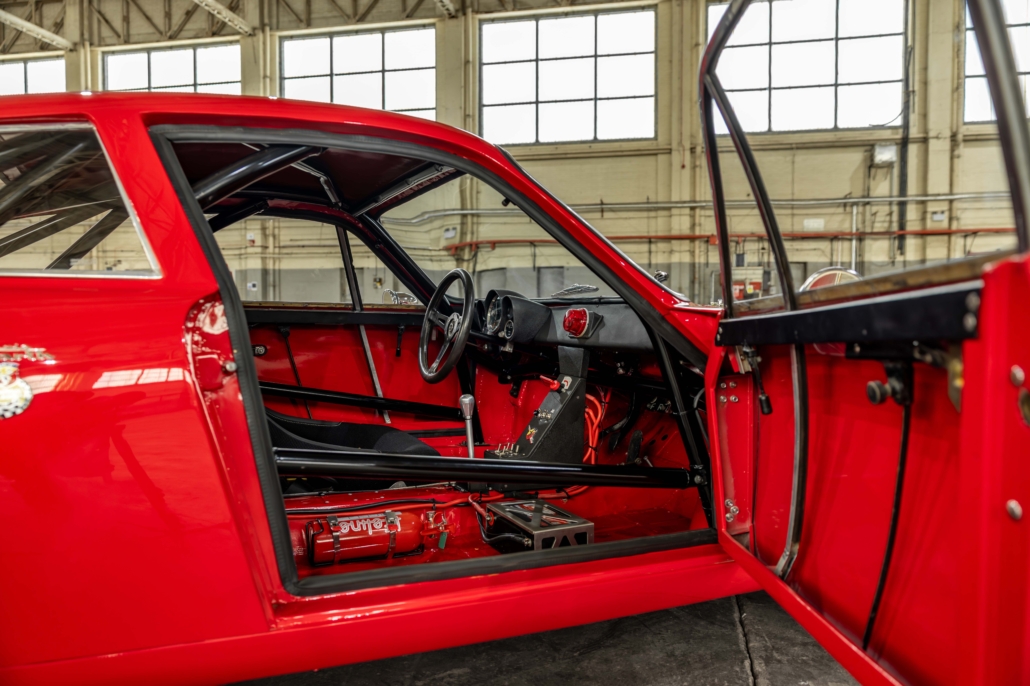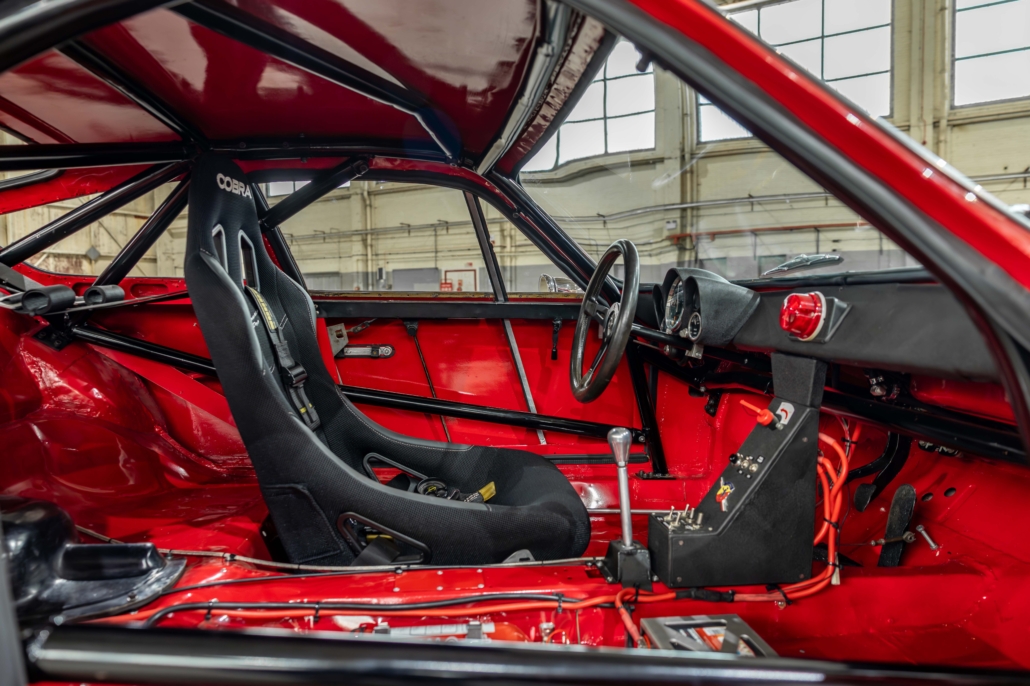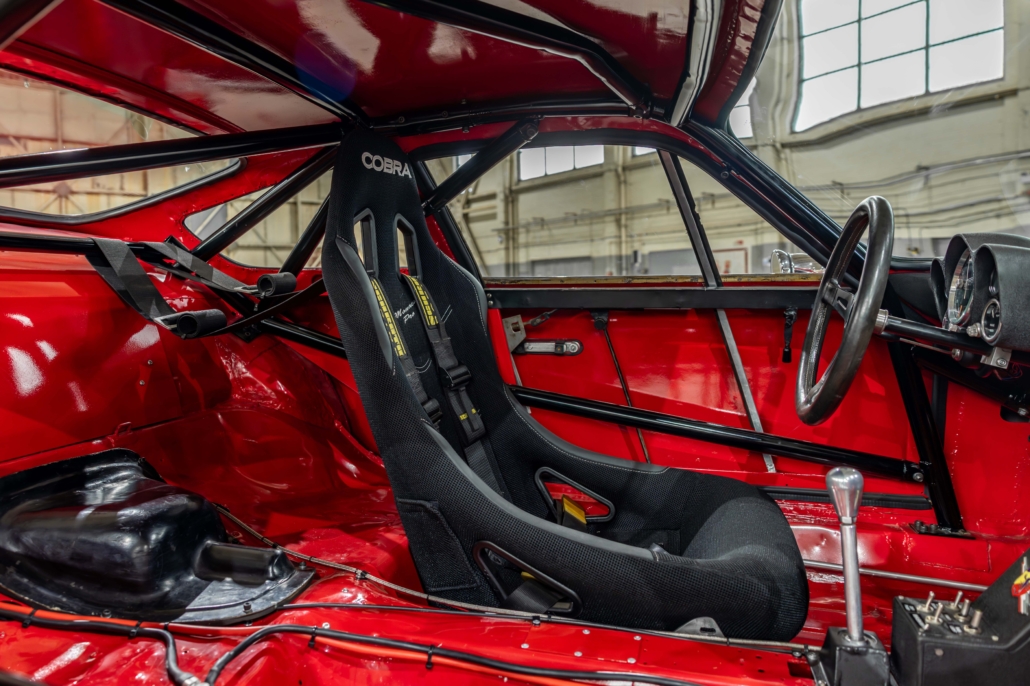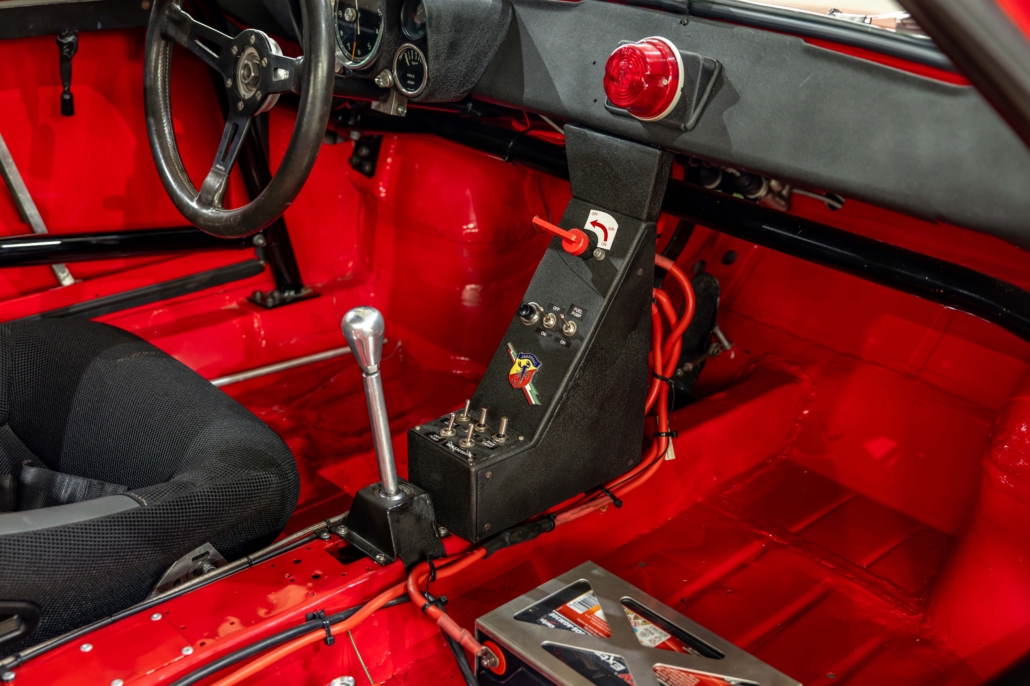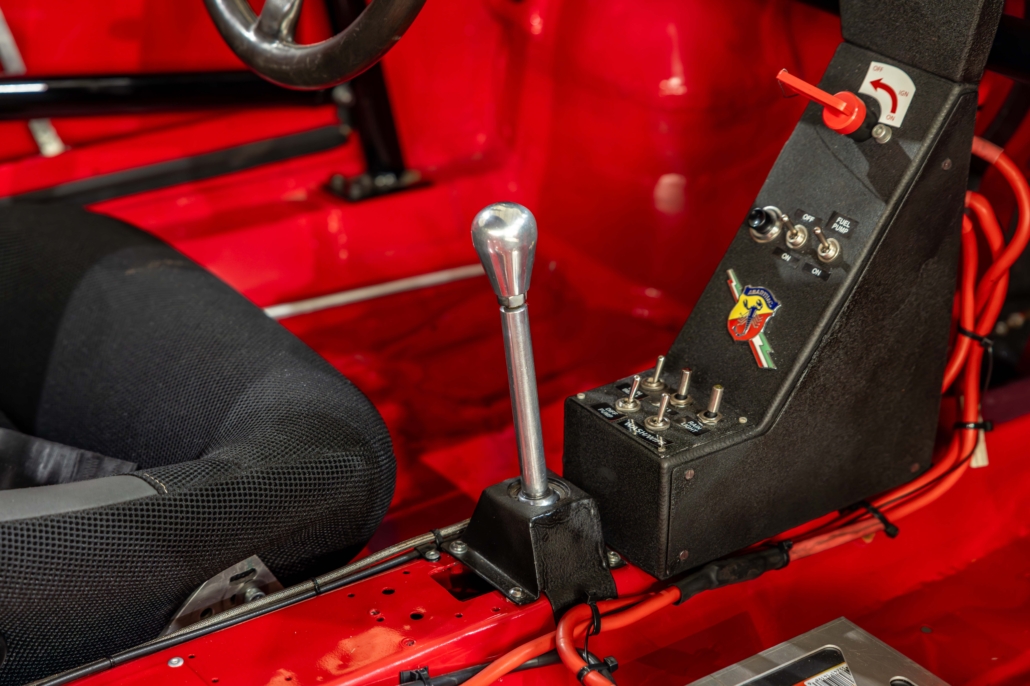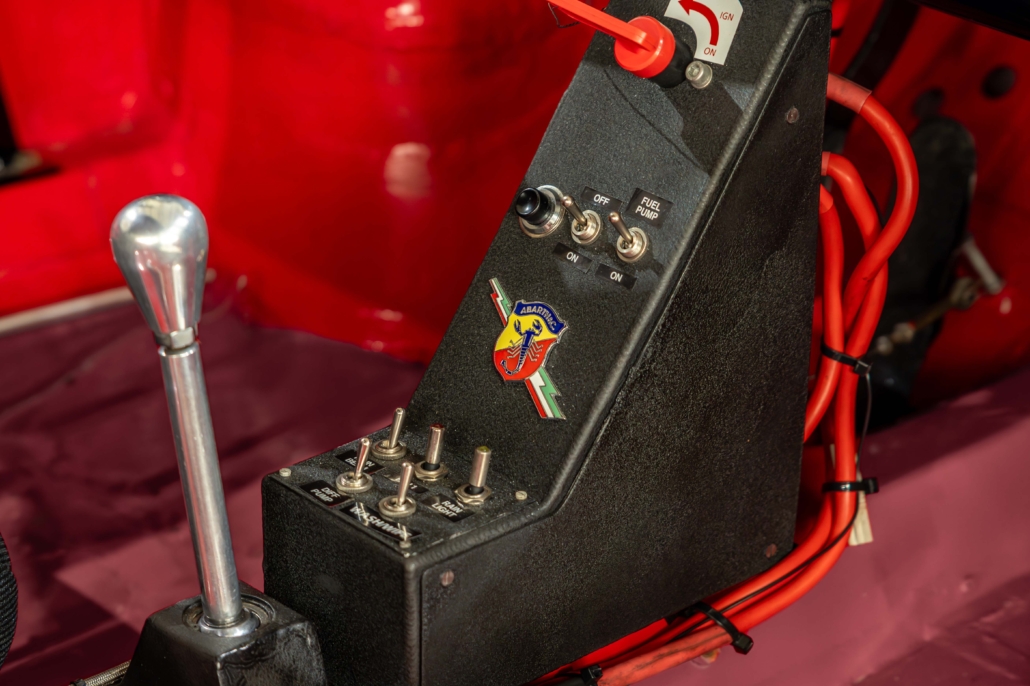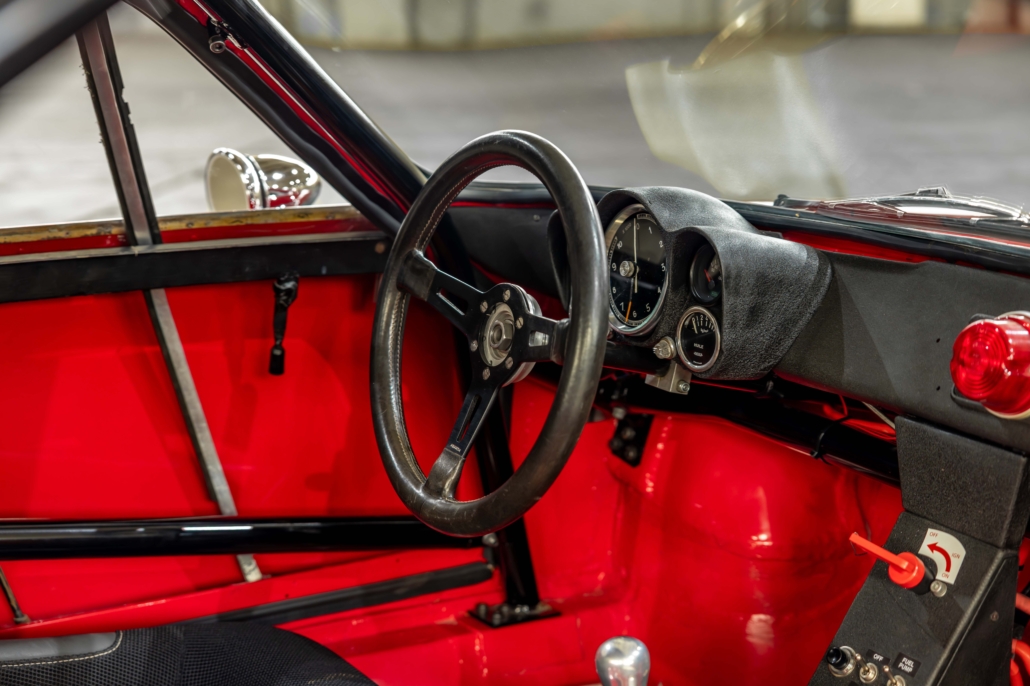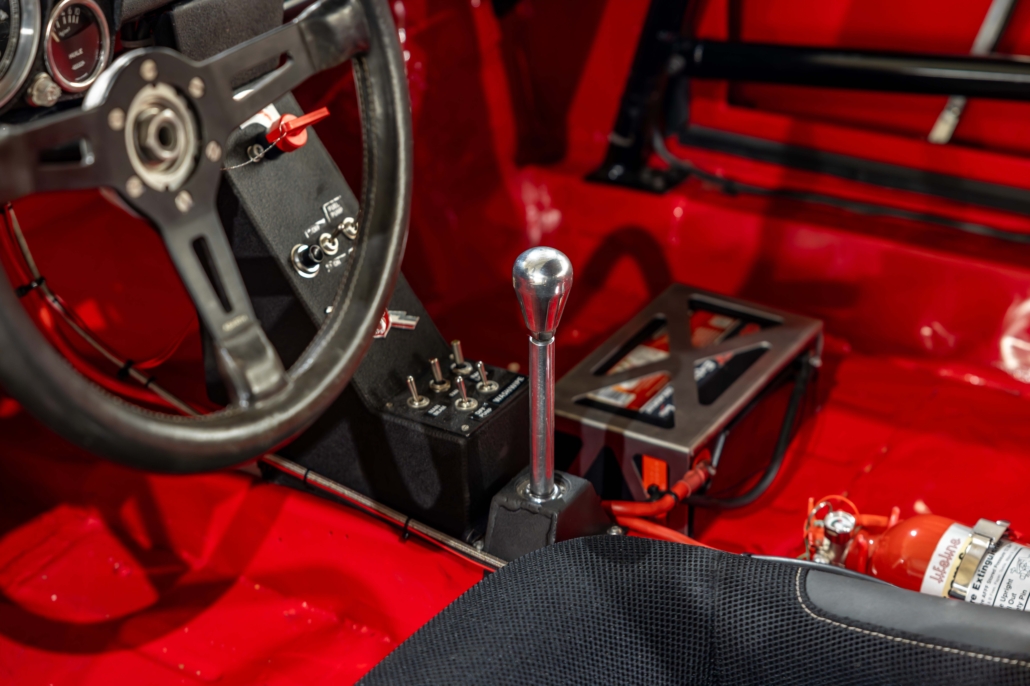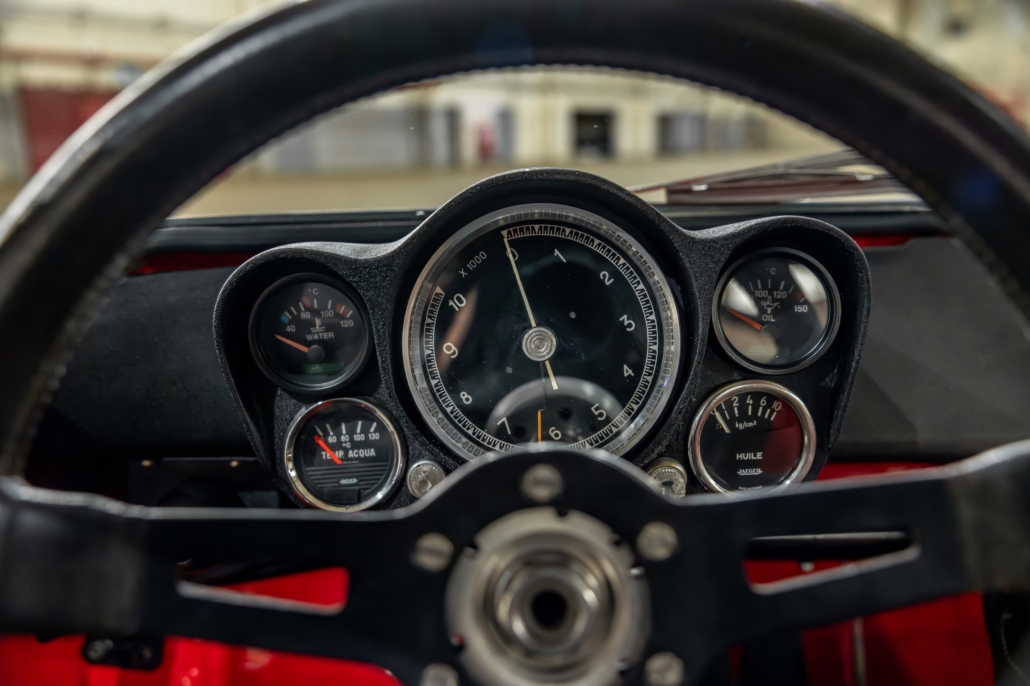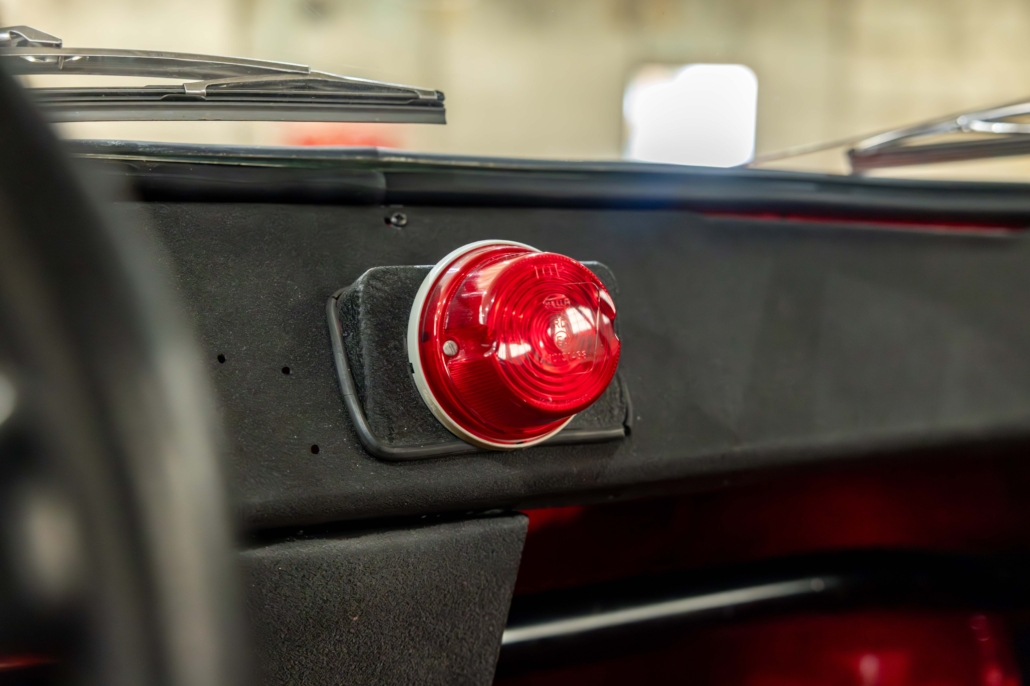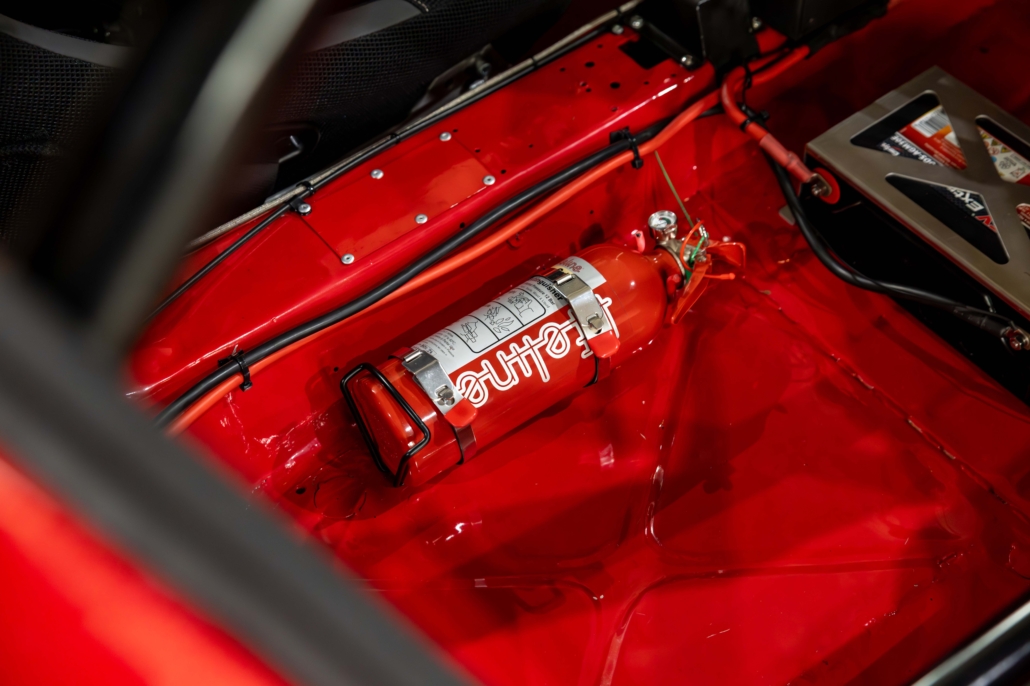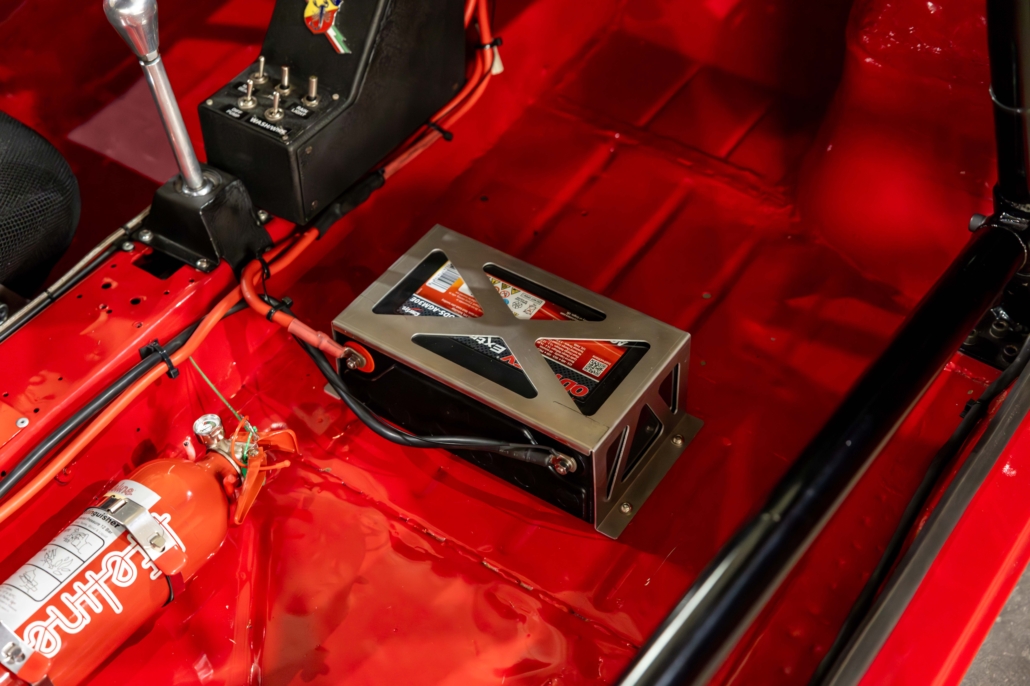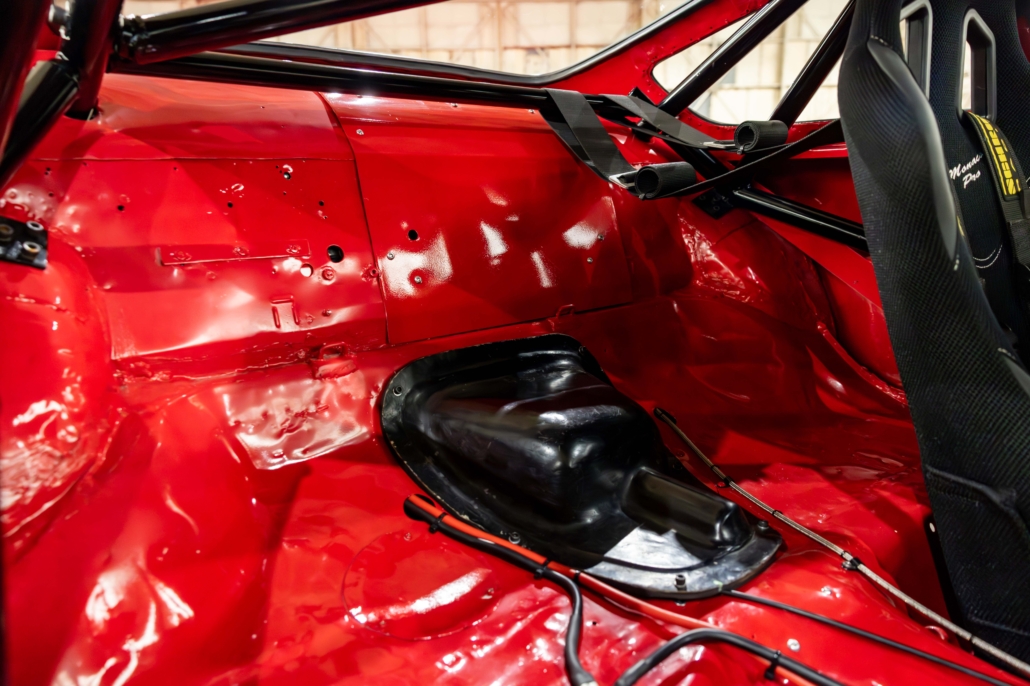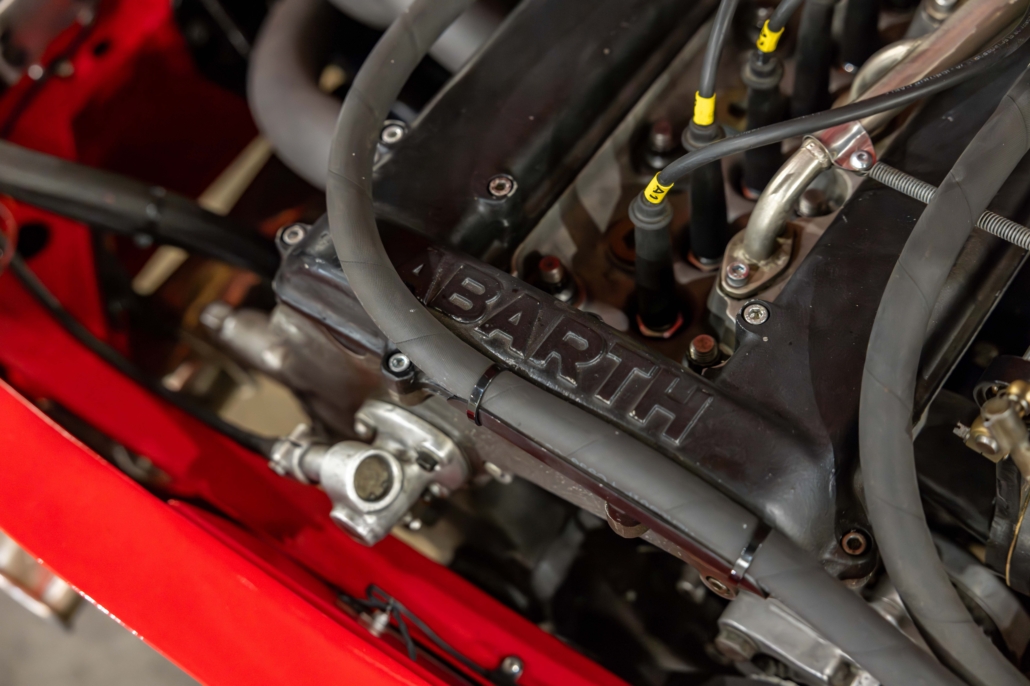
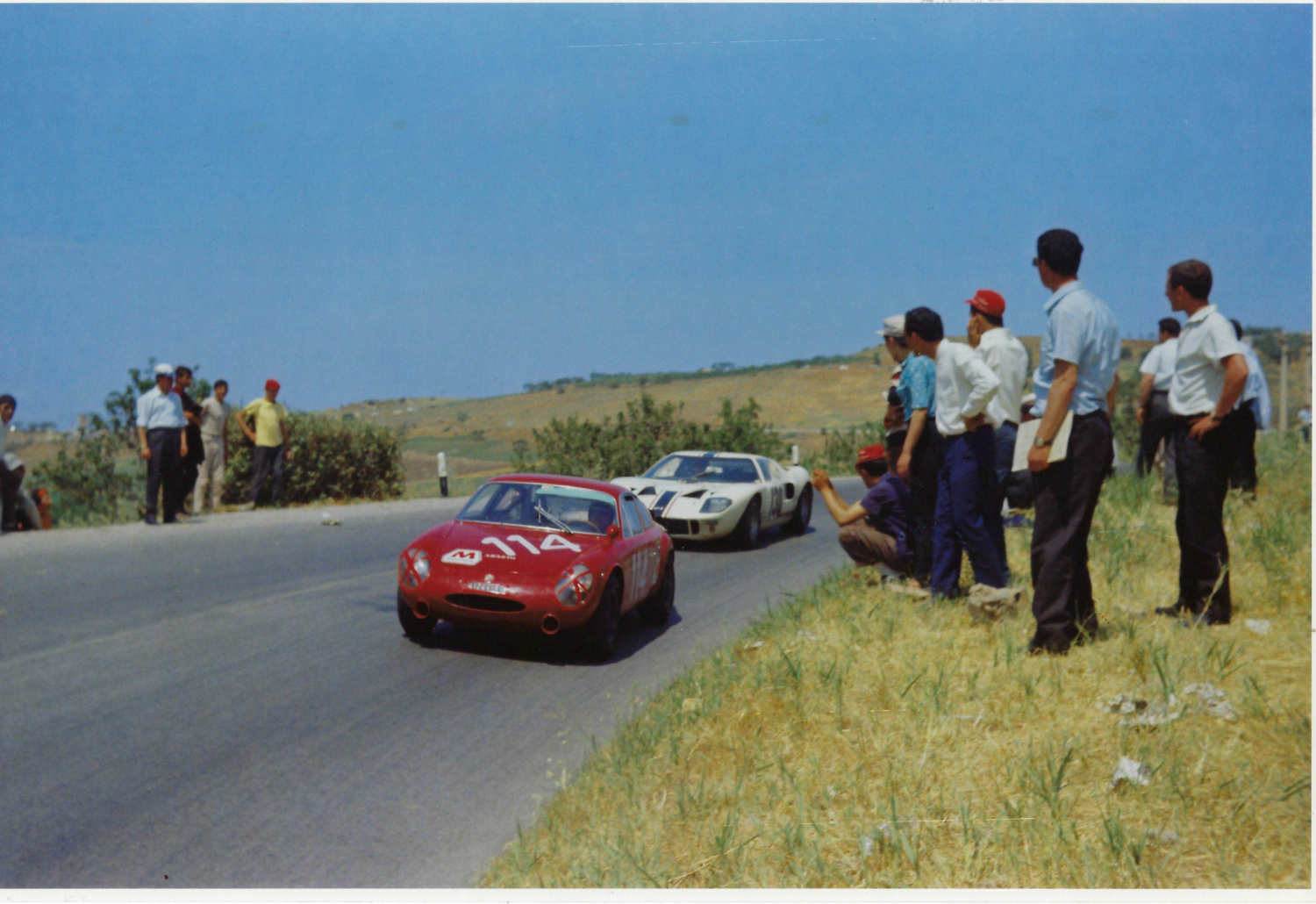


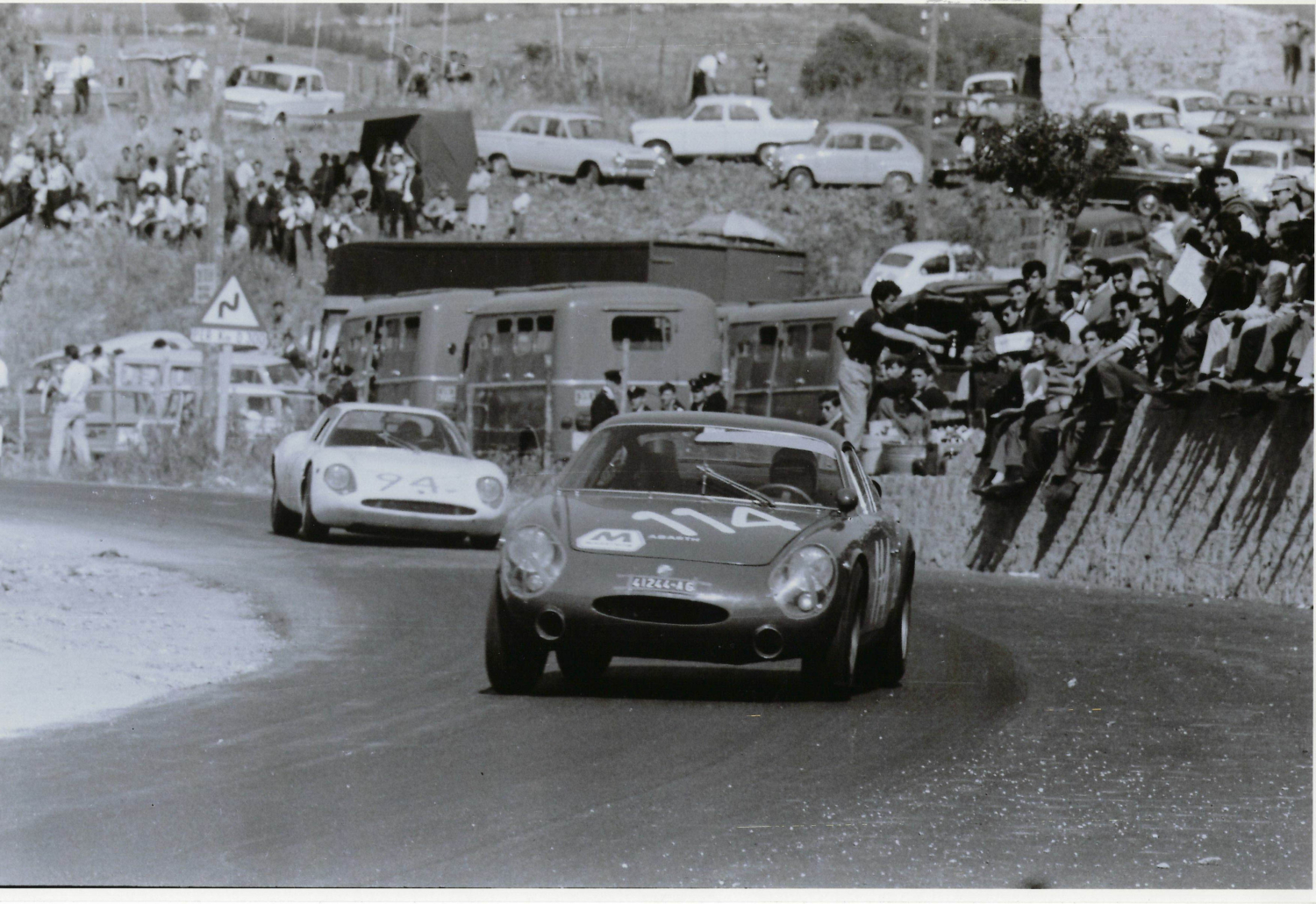


After leaving Cisitalia in 1948, Austrian-born engineer Carlo Abarth set himself up in Turin, the heart of Italy’s automotive industry, as an independent engineer. What began as a small operation producing induction and exhaust systems soon evolved into supplying performance kits for production cars. From there Abarth moved into creating a highly successful series of aerodynamically focused sports prototypes and limited-series road and competition cars.
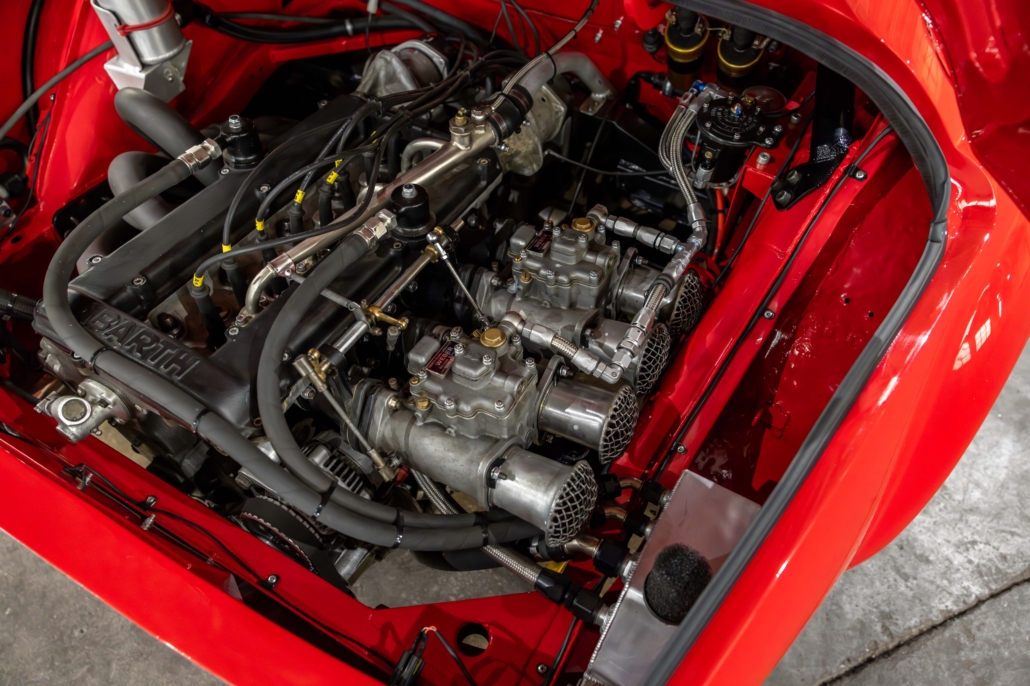
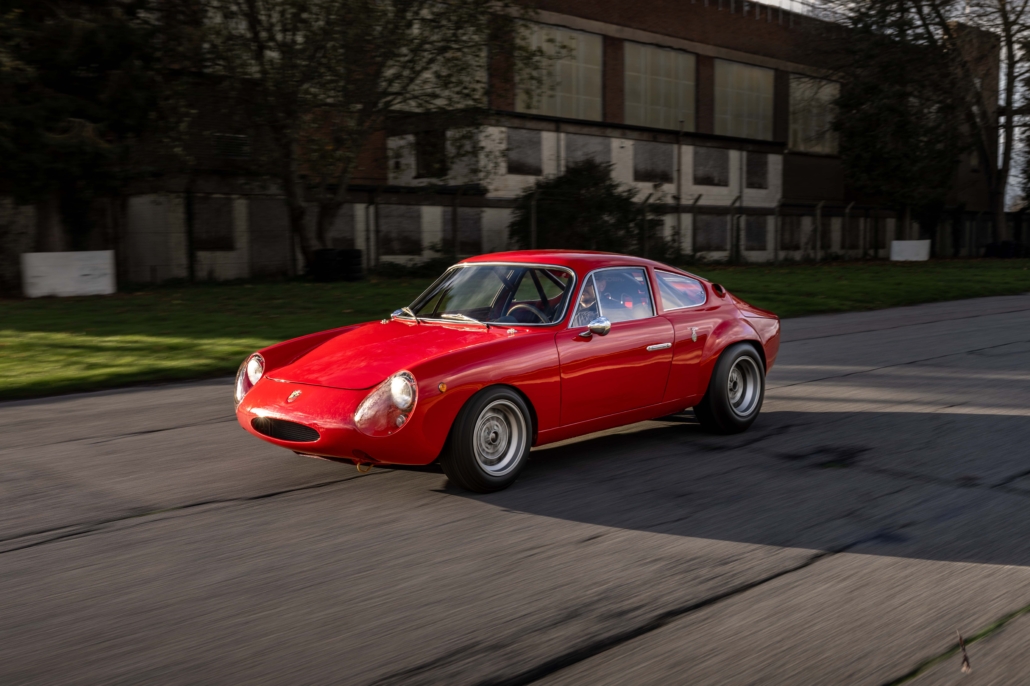
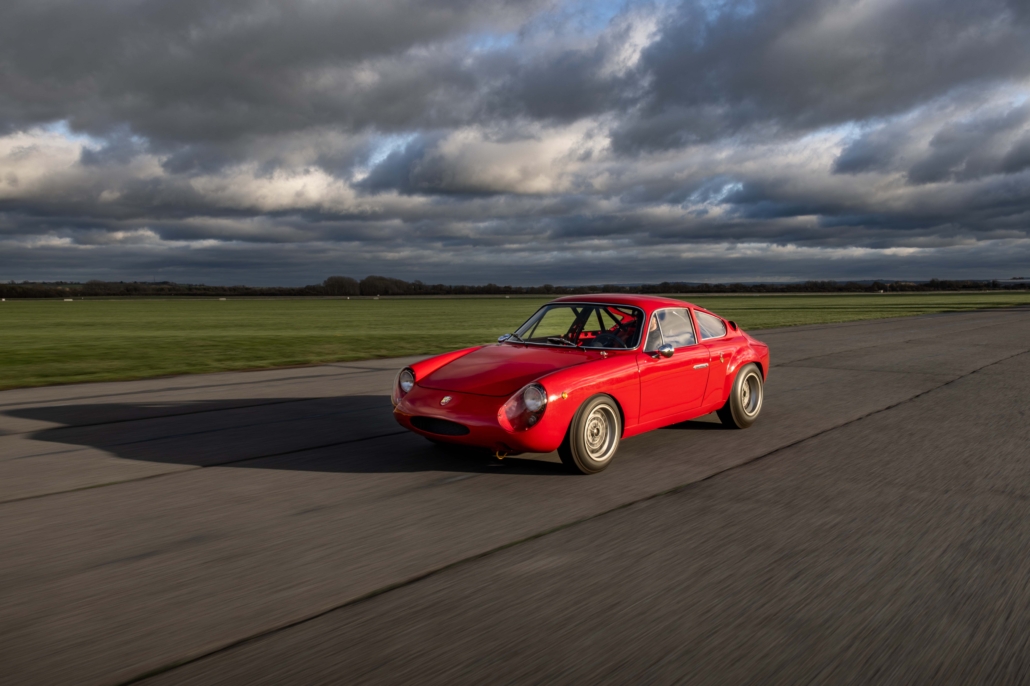
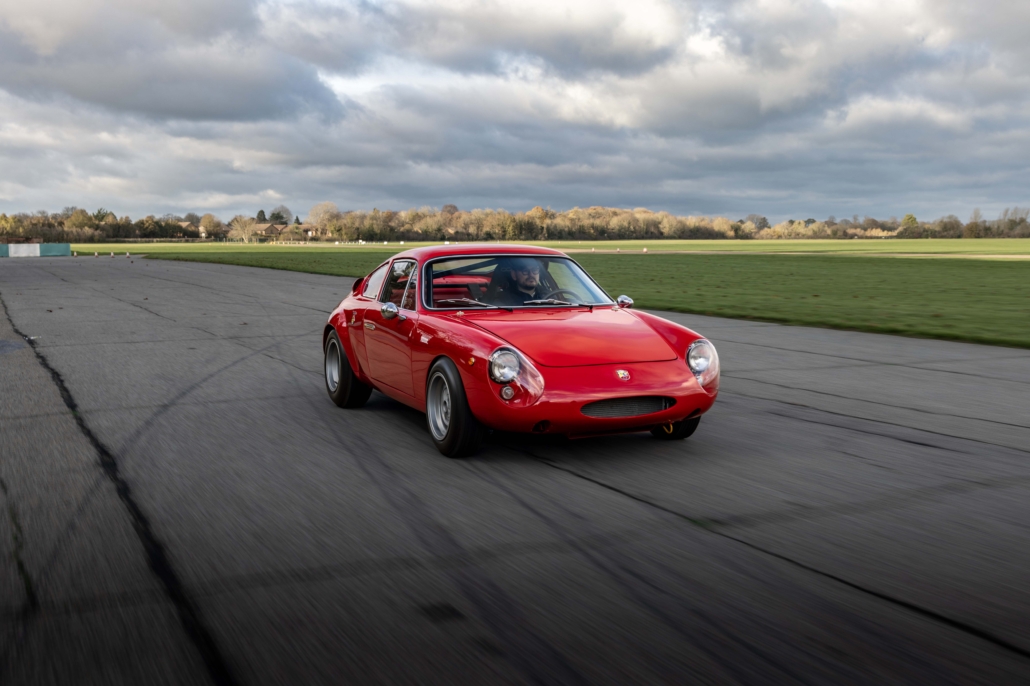
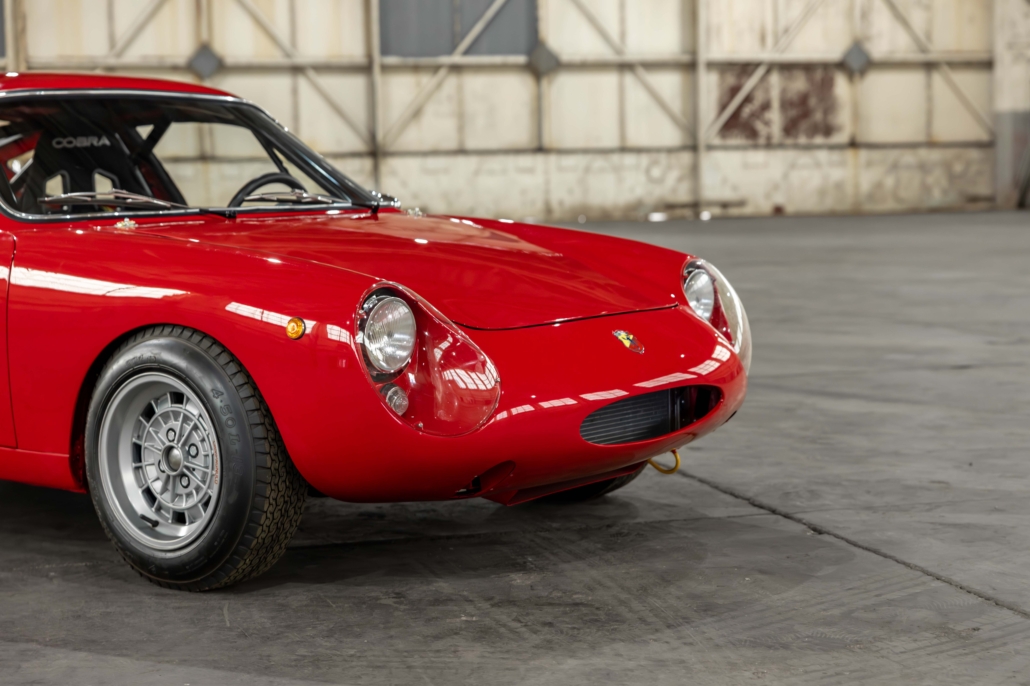
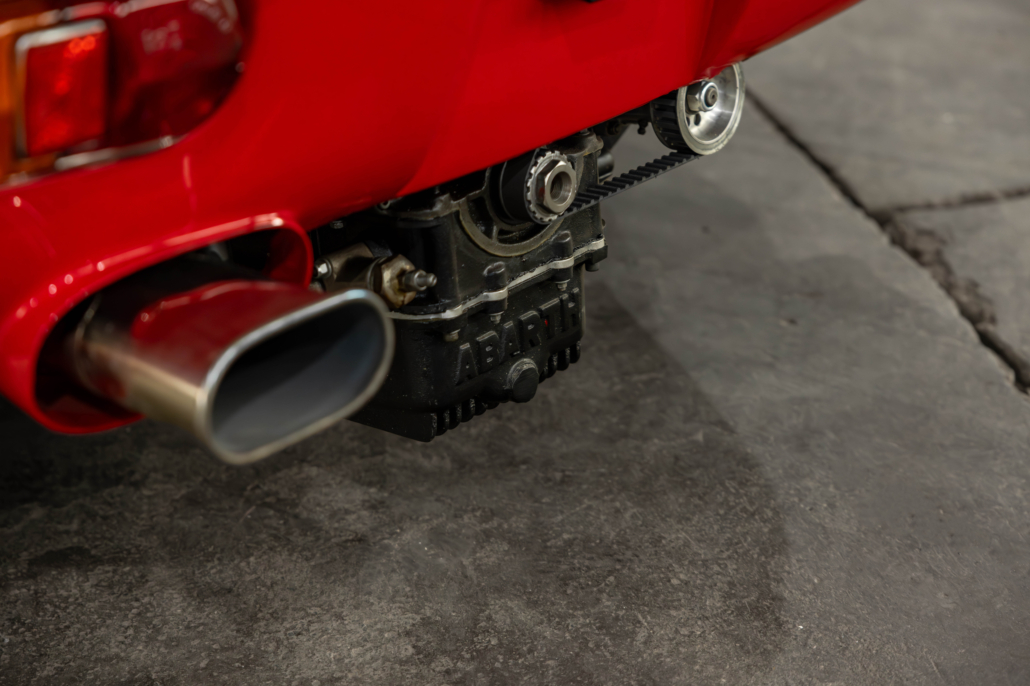
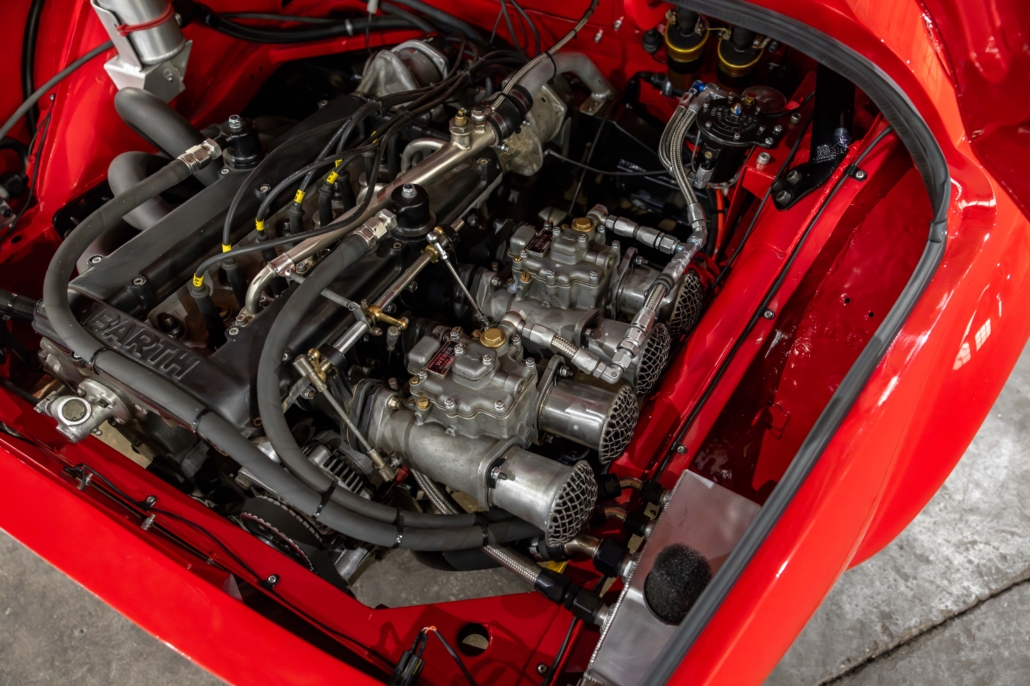
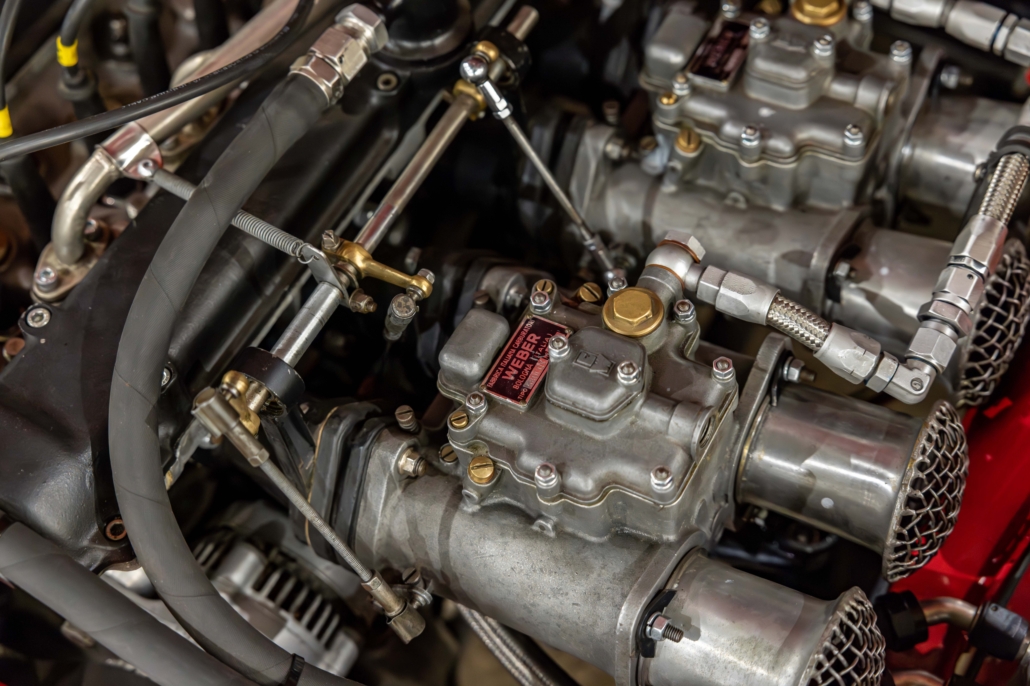
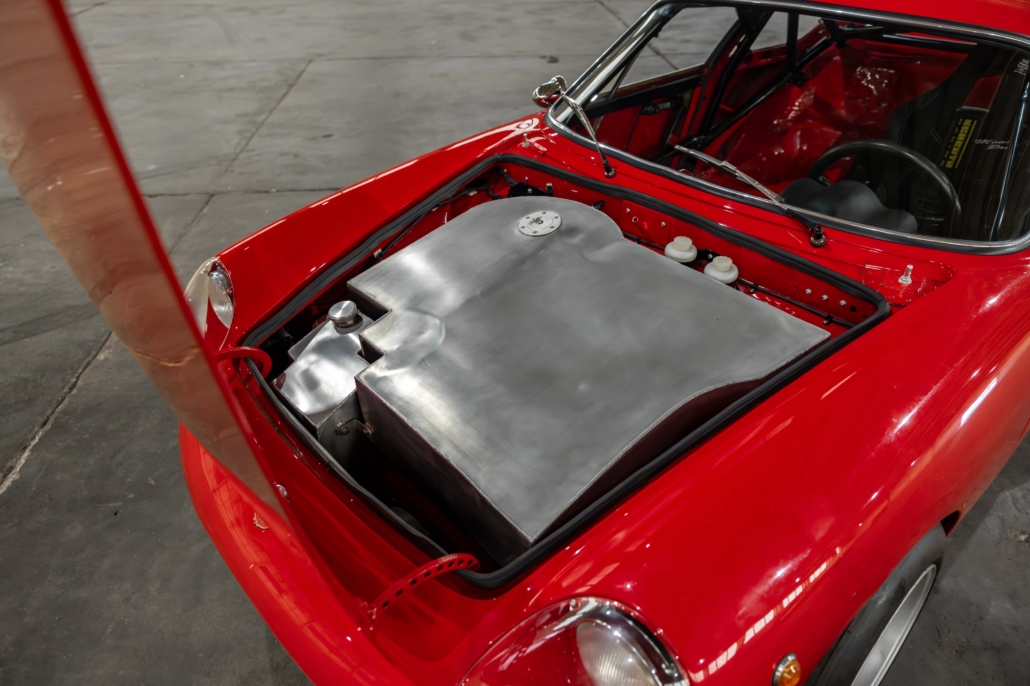
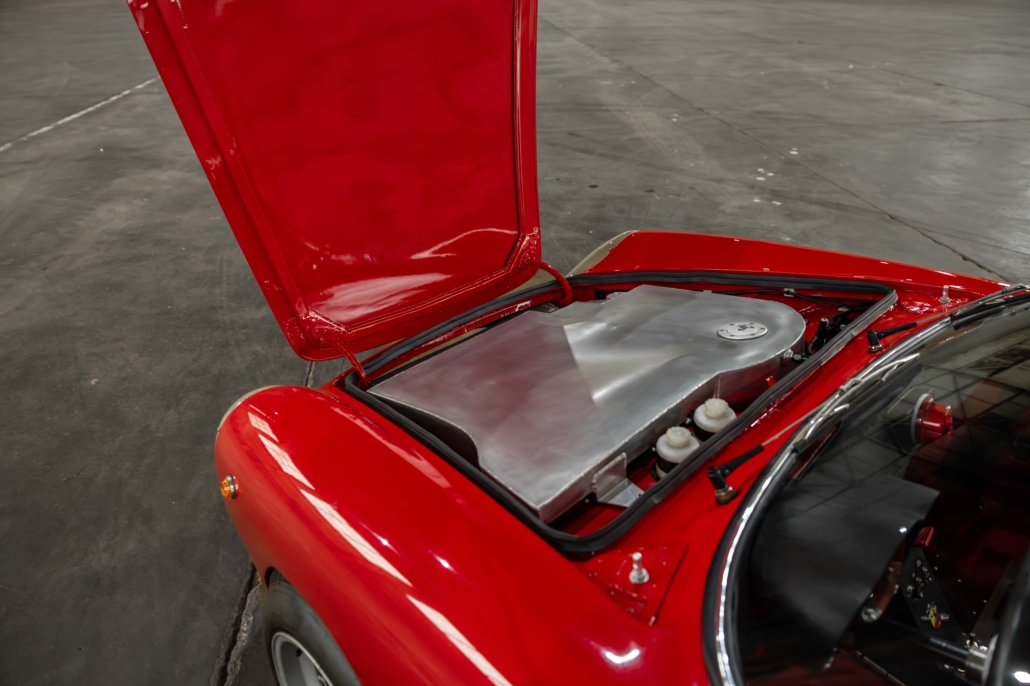
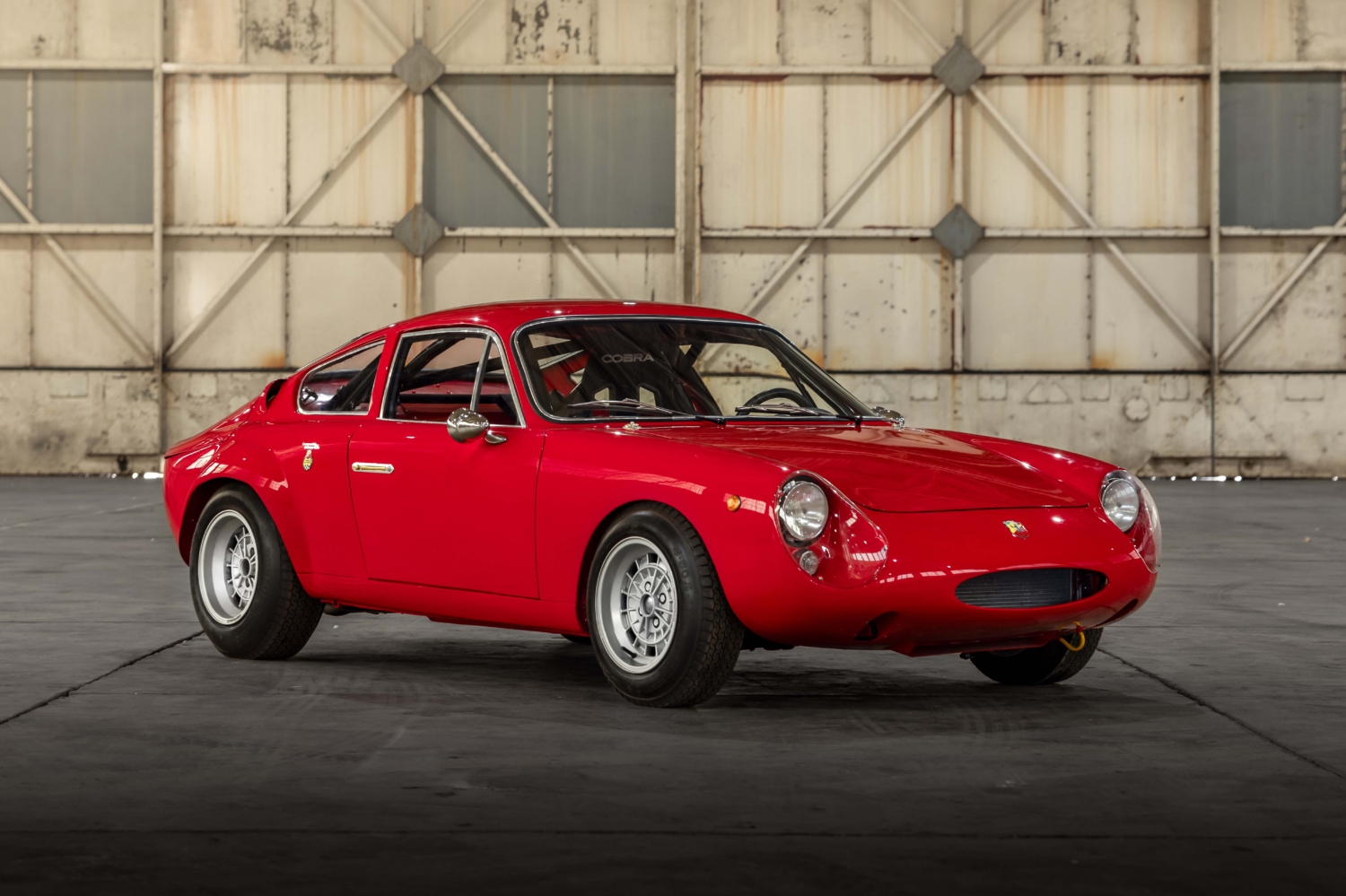
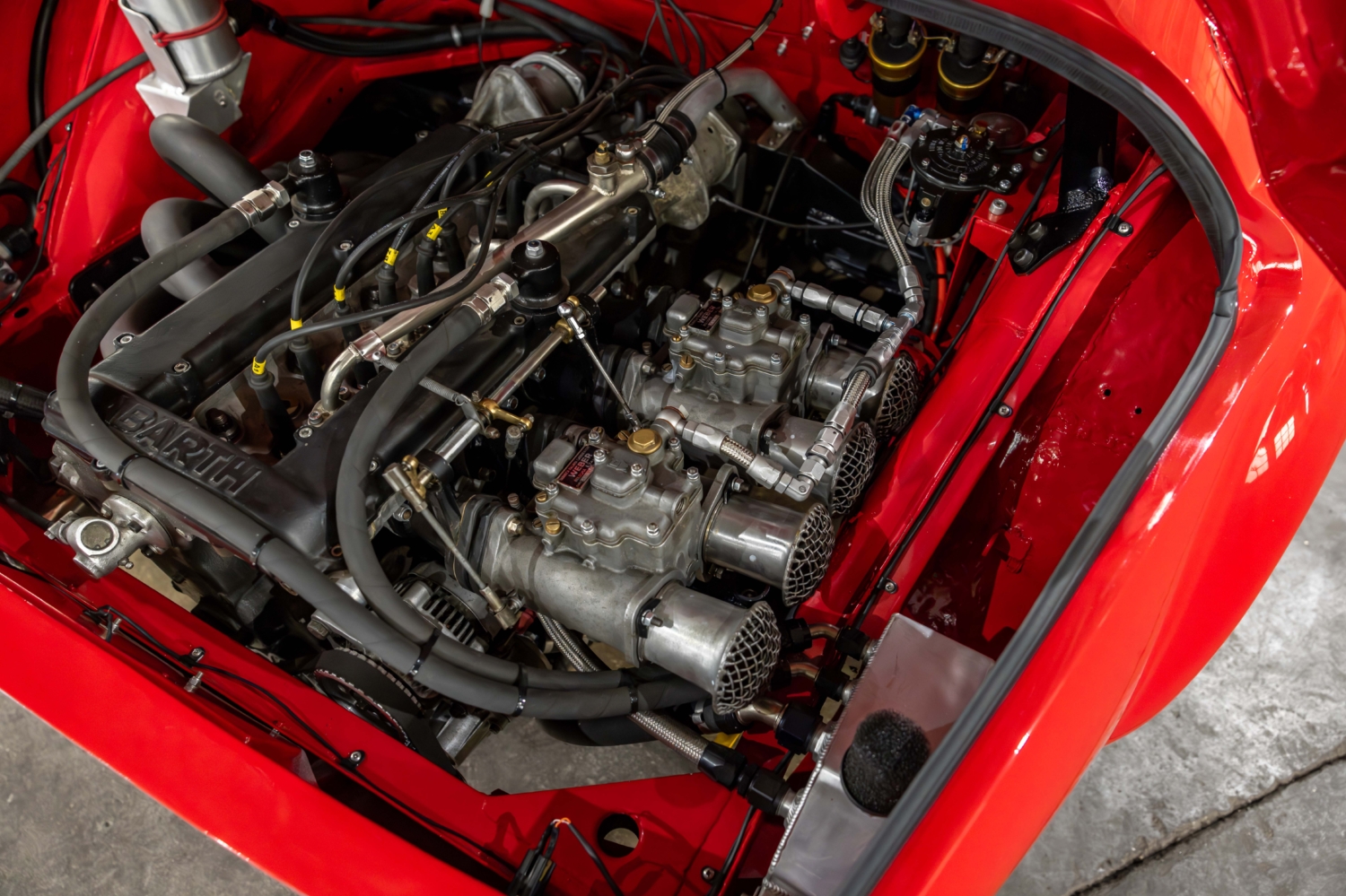
Although Abarth became most closely associated with transforming Fiat models, the early 1960s saw Carlo developing an important relationship with Simca in France. This partnership produced a series of tuned Simca-Abarth road cars and in 1962 a particularly attractive 1.3-litre GT coupé. Styled in the same spirit as the Fiat-Abarth 1000, it was notable as the first car powered by a fully Abarth-designed engine. Based on the newly introduced Simca 1000, it used that car’s chassis and suspension in extensively modified form. The all-alloy four-cylinder twin-cam engine followed the same general concept as Abarth’s 1-litre Fiat-derived unit but differed by using horizontal rather than down-draught carburettors and adopting dry-sump lubrication. The prototype was reported to have reached 142mph on the autostrada, which was remarkable for a 1,300cc car and would certainly have caused concern among those racing Alfa Giuliettas at the time.
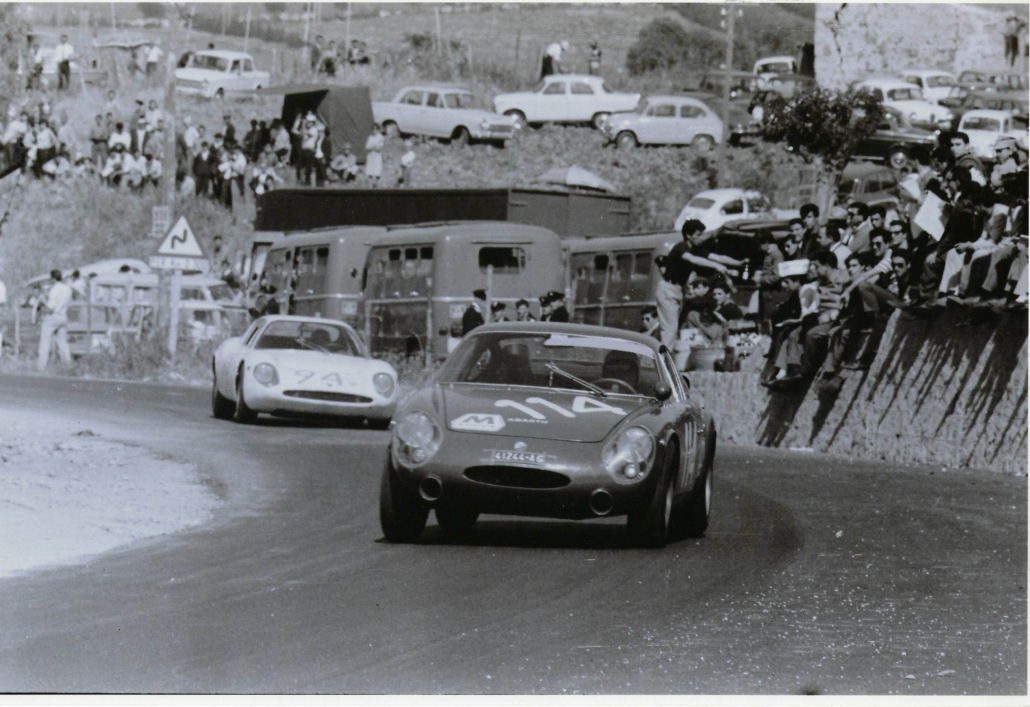
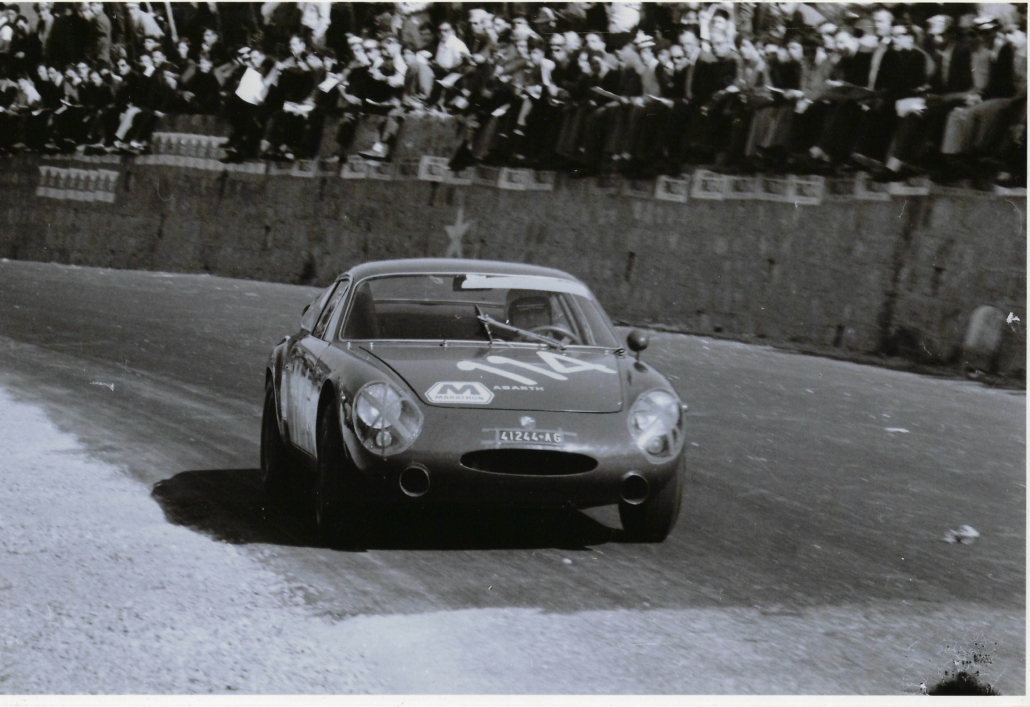
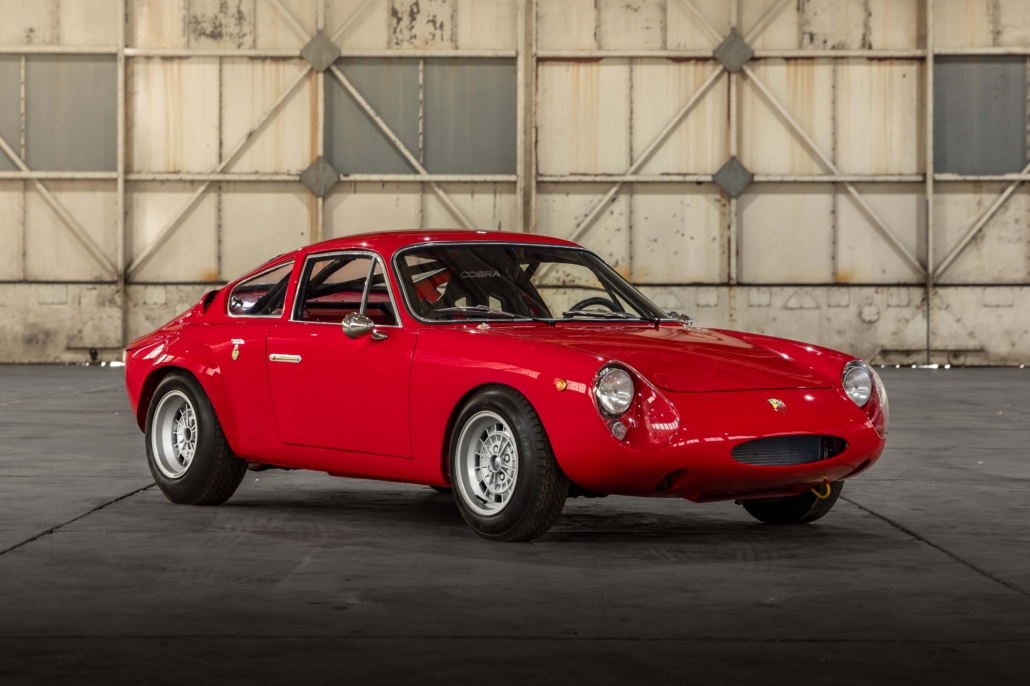
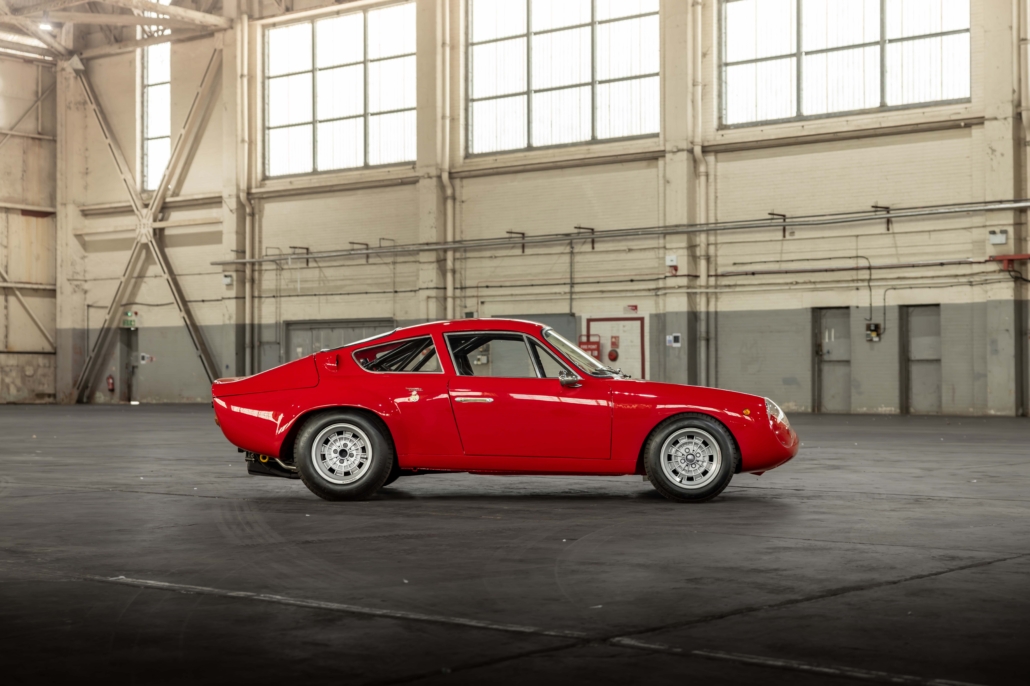
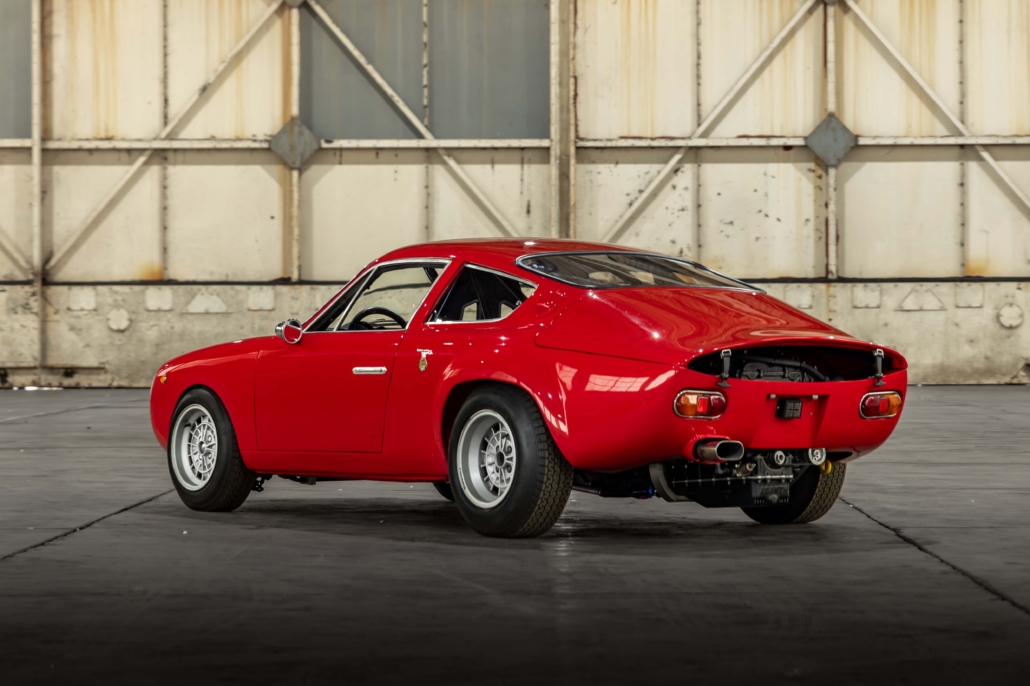
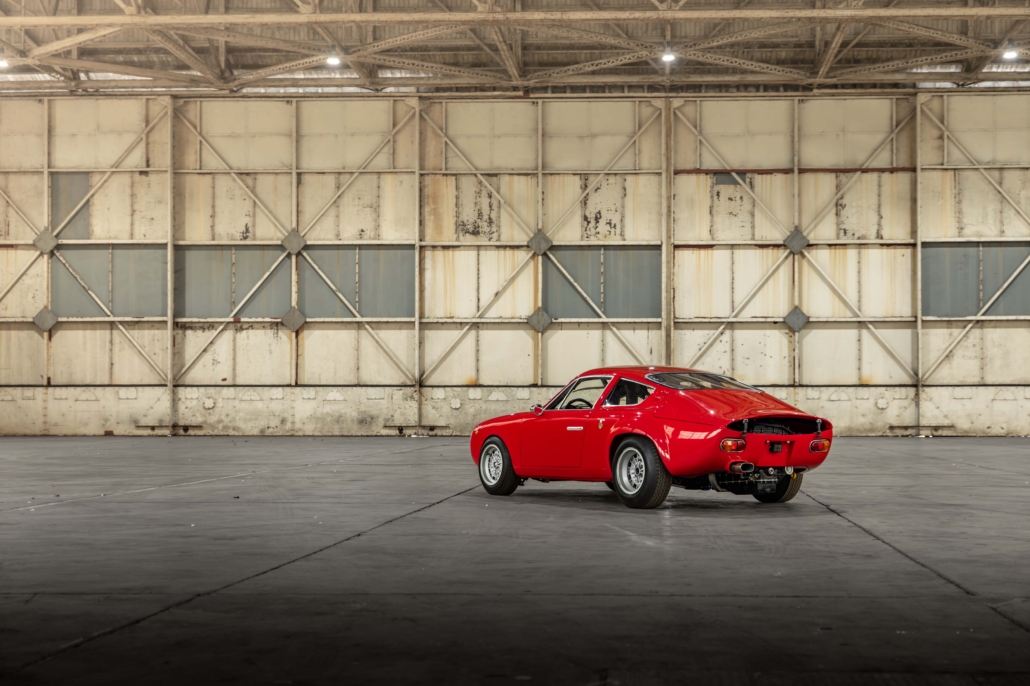
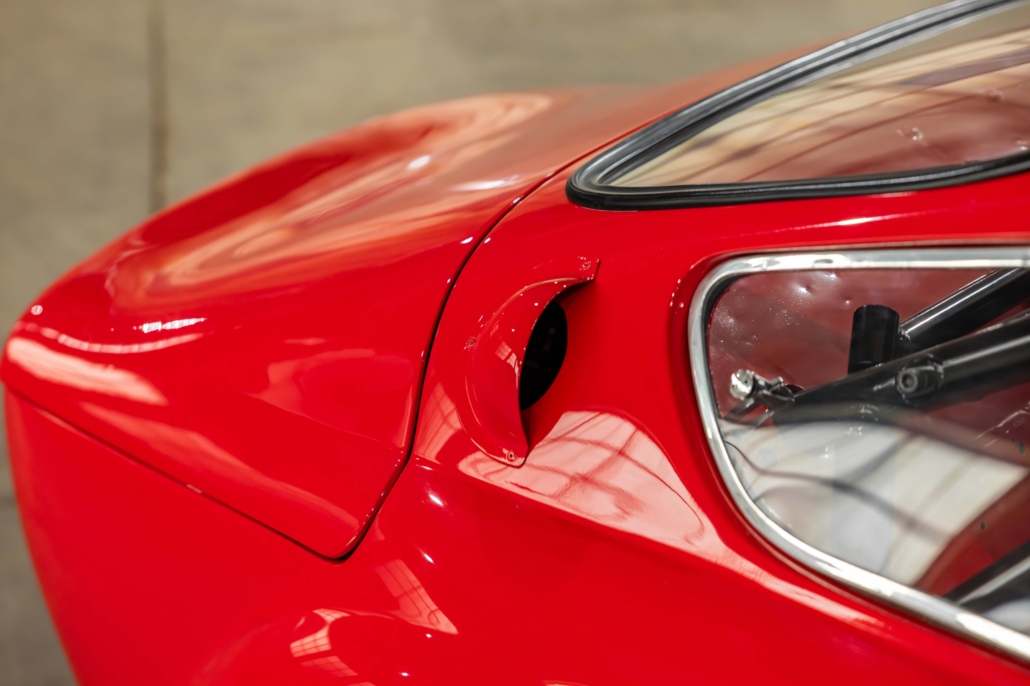
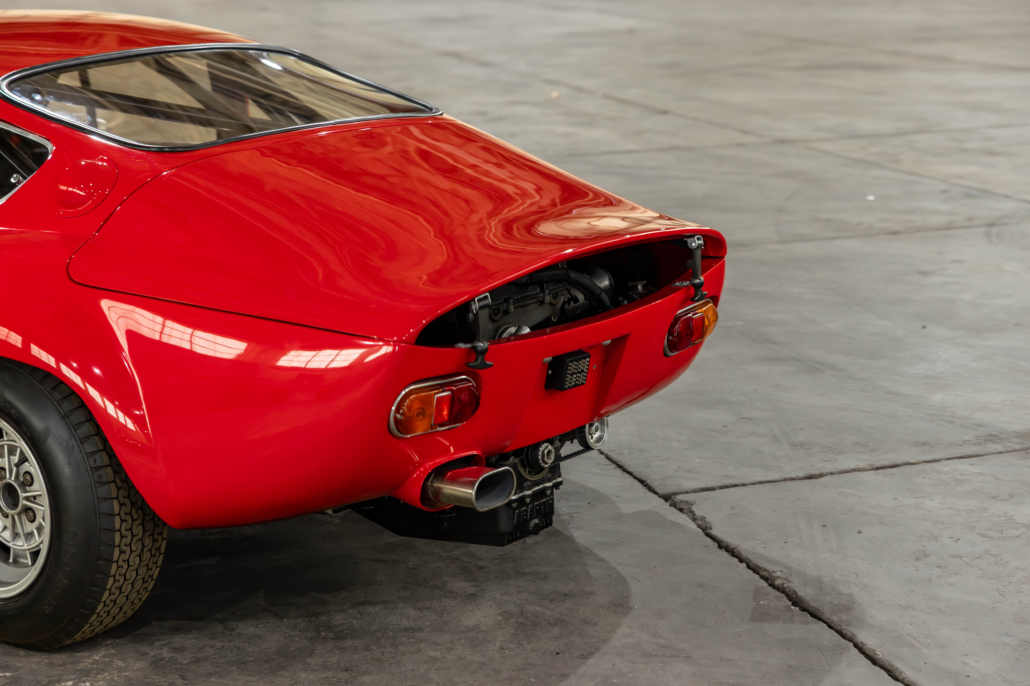
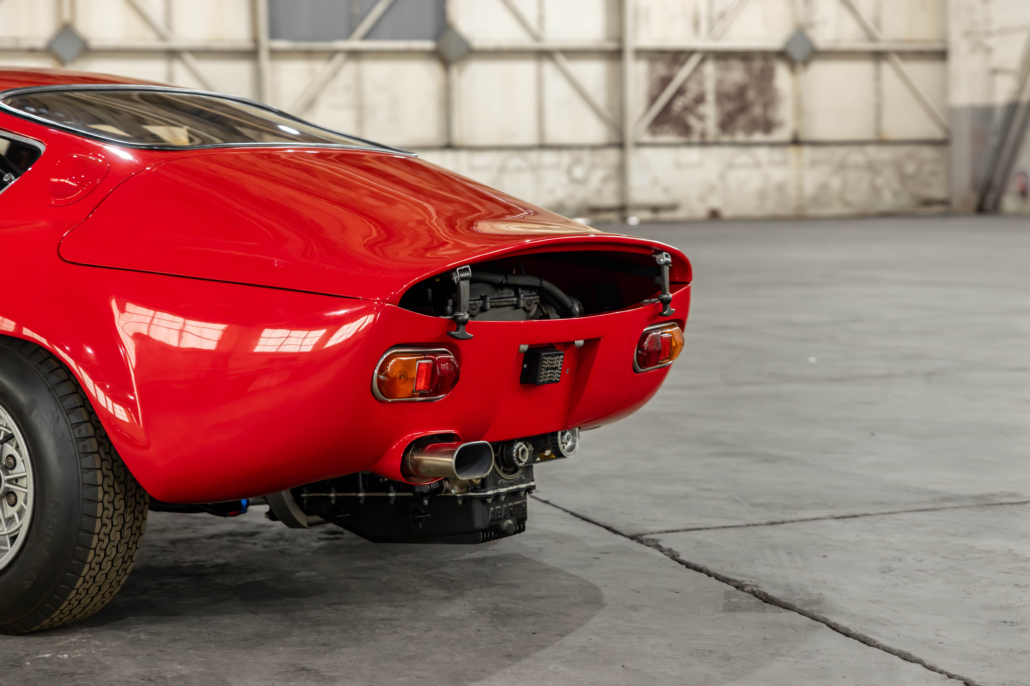
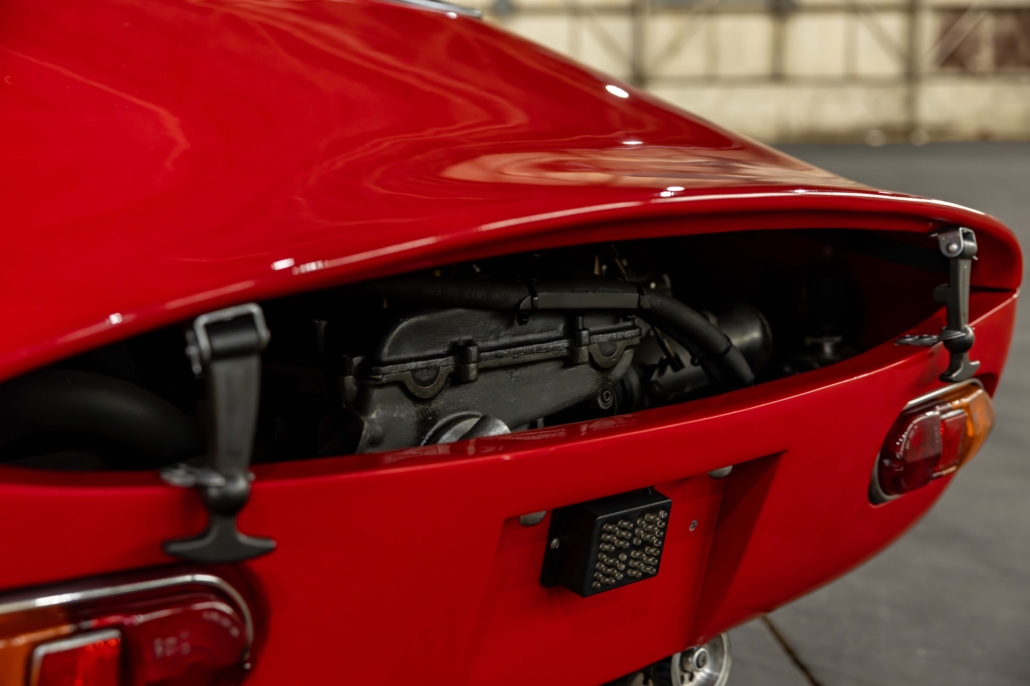
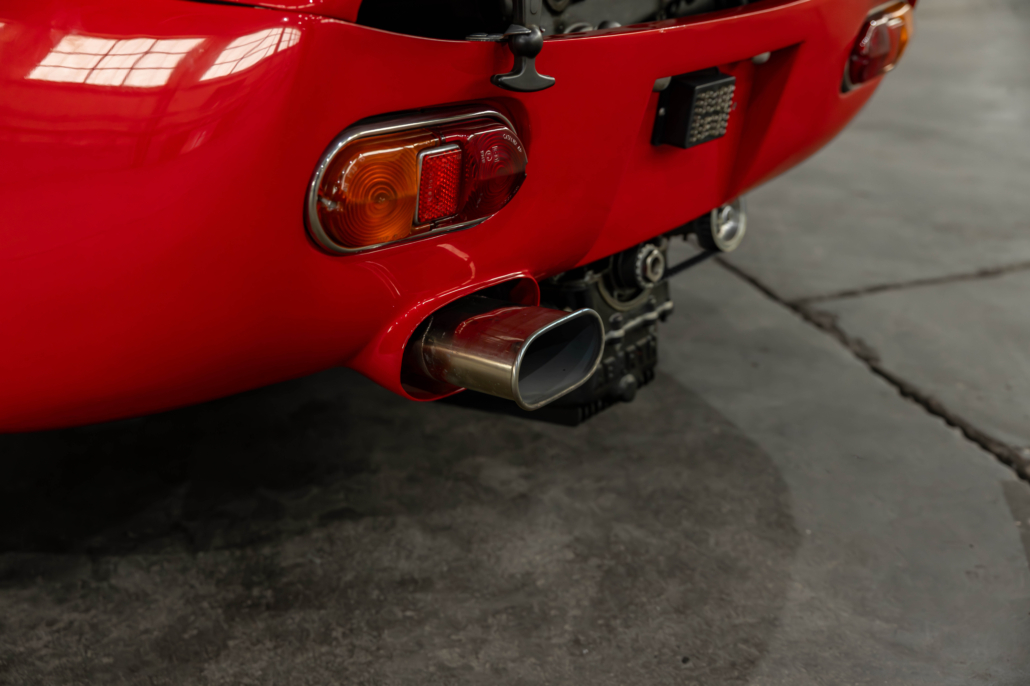
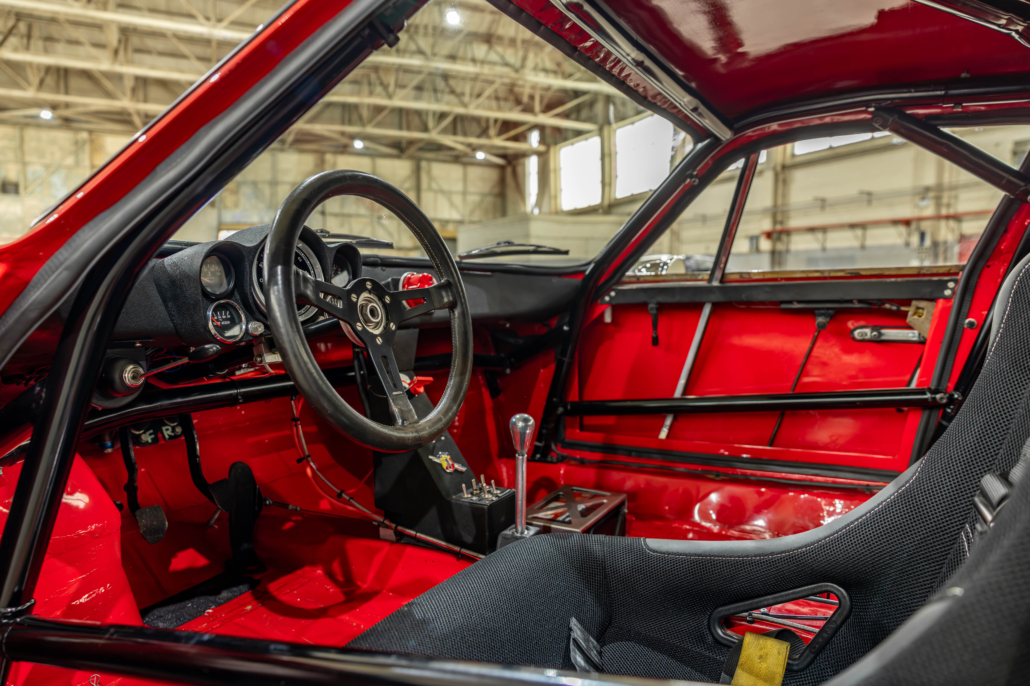
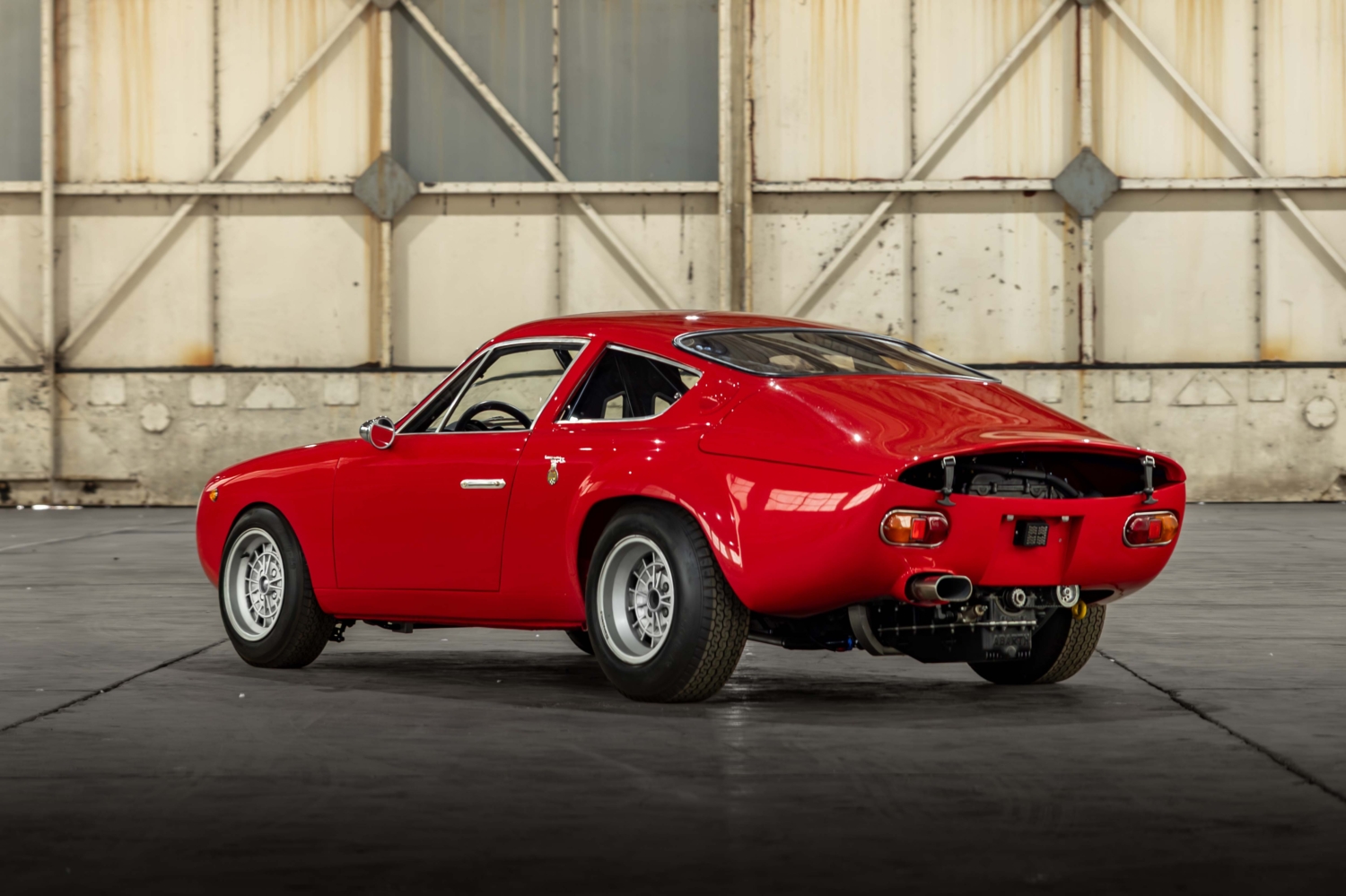
The next development came in 1963 with the introduction of the 1600GT. While clearly related to the earlier 1300GT, it incorporated the latest aerodynamic thinking most obviously visible in the upturned duck-tail rear that echoed the Ferrari GTs and sports-racers of the same period. The chassis was fundamentally similar to the 1300GT with independent suspension and Girling disc brakes on all four corners. Power came from a cast-iron production-based block topped by an aluminium twin-cam cylinder head with two plugs per cylinder fired by magneto ignition. A six-speed fully synchromesh gearbox completed the package. Abarth claimed 153bhp and a top speed of 150mph.
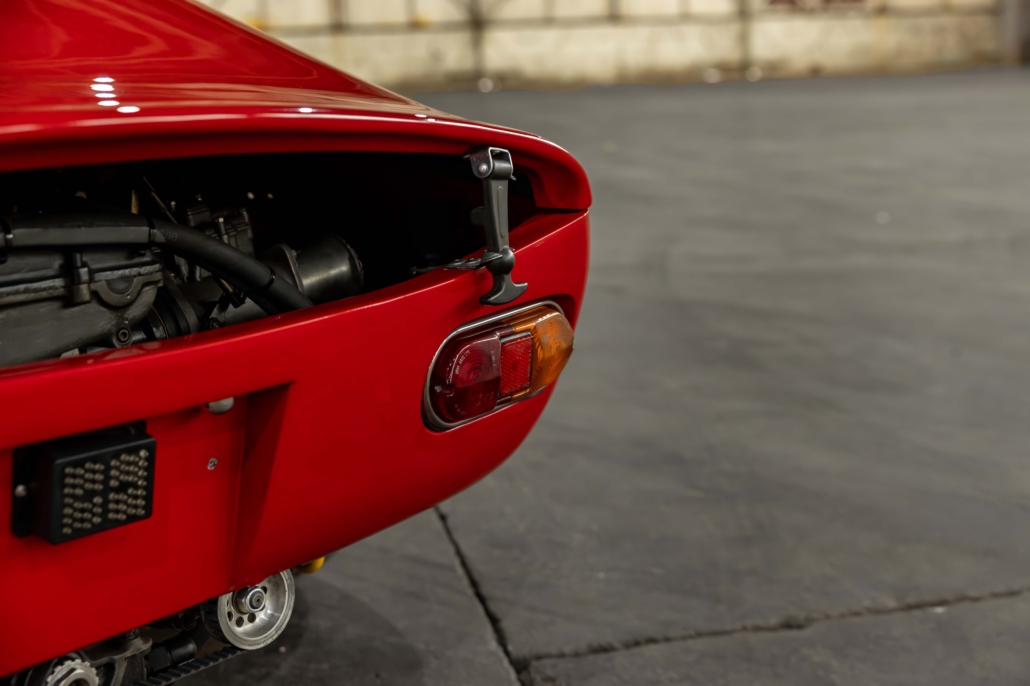
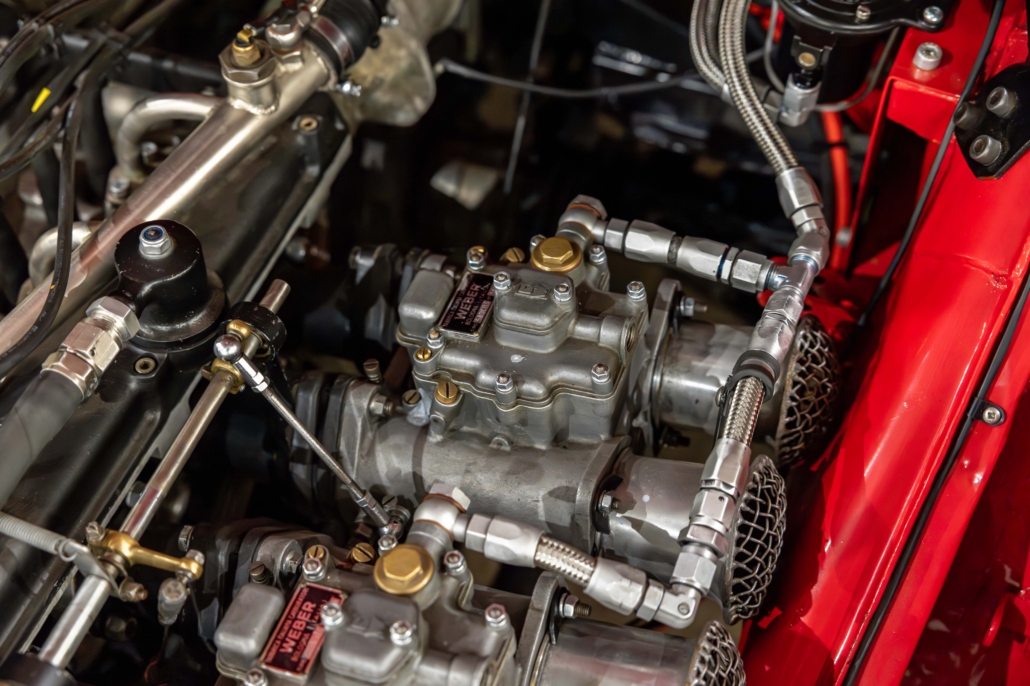
Although the partnership between Abarth and Simca ended in 1965 following Simca’s takeover by Chrysler, it produced one final and very special car. The result was the Abarth-Simca 2000. Abarth insisted that their name appeared first. This model was built around a Simca 1500 block and fitted with a pair of the largest Weber carburettors ever produced, the huge 58mm-choke DCOs. In its most highly developed form the engine delivered more than 200bhp. Independent road tests recorded top speeds of around 165mph.